A water loss is also an operations problem
For a business, water damage can interrupt customer access, staff work, deliveries, inventory handling, and building systems at once. The response needs to address the wet materials while recognizing how the property is used. Clearing one room is only helpful if the building can still be accessed and the next stages of work are understood.
Water Damage Pros Yonkers connects business owners and property managers with independent restoration providers. Call with the property type, affected area, water source if known, and current operating restrictions. The provider can discuss availability and establish what information is needed for an on-site assessment.
Give the response team one clear decision-maker
A commercial loss may involve an owner, tenant, facilities manager, insurer, and several trades. Designate a person who can authorize emergency work, arrange access, and receive scope changes. Confirm who has responsibility for the building, tenant improvements, equipment, and contents.
Keep the source-repair professional informed as well. The plumber, roofer, or building engineer may need to stop additional water before drying can proceed effectively. A practical contact list and a written scope help prevent duplicated effort and unanswered questions when work continues outside normal business hours.
Establish the affected boundaries before promising reopening
The inspection should follow the route of the water, including adjoining rooms, floor layers, ceiling cavities, and other units where relevant. The visible wet area may not represent the full loss. Equally, a problem in one part of a property does not automatically require treating every room as affected.
Ask the provider to explain the proposed work zones and access restrictions. Safe exits, utilities, contamination, and the business activity influence whether any portion can remain in use. A reopening date should follow the actual conditions and necessary approvals rather than a general promise that every commercial cleanup can be completed overnight.
Extraction, material decisions, and controlled drying
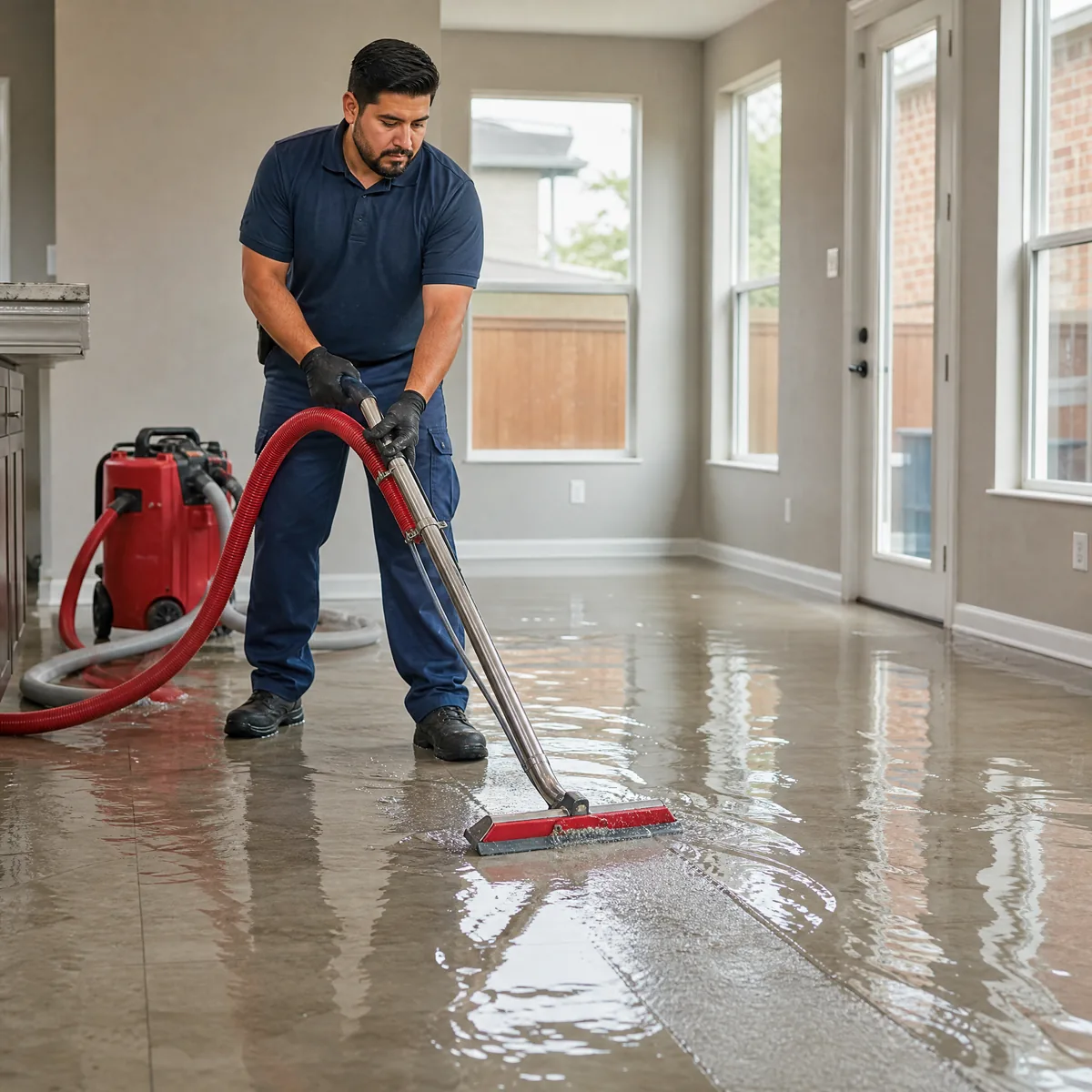
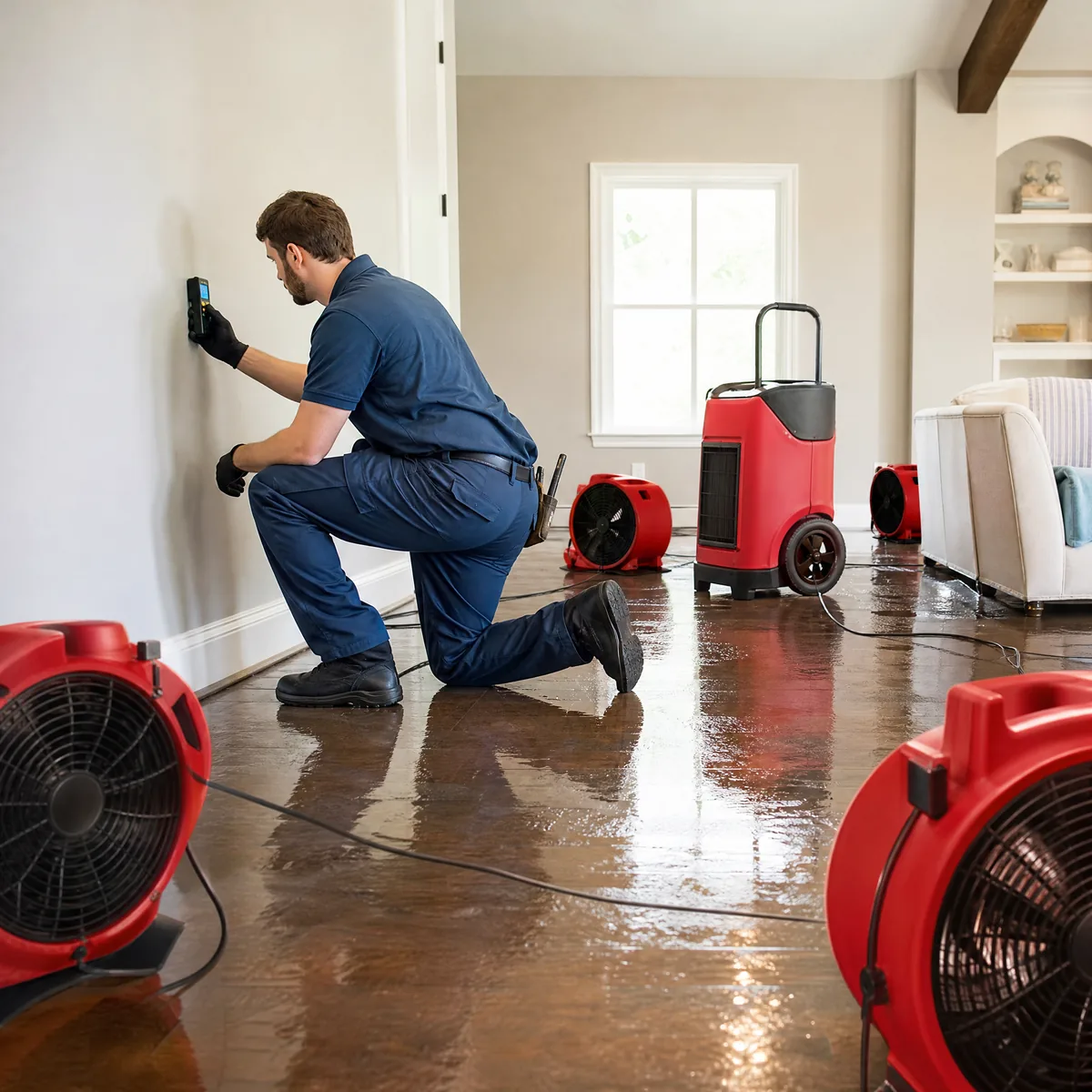
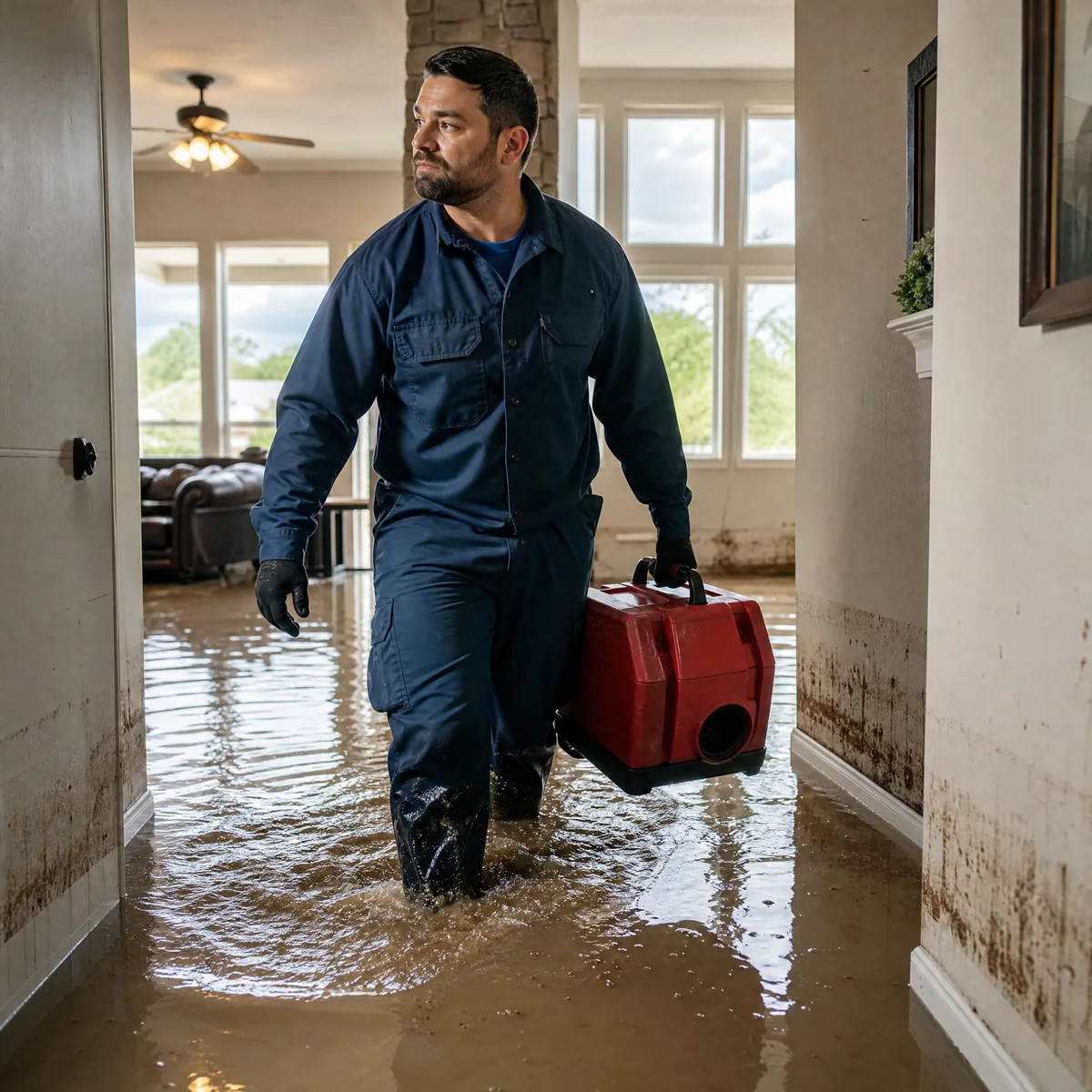
The mitigation scope may include removing standing water, moving contents, evaluating contamination, removing unsuitable materials, and drying the affected structure. The contractor should explain the equipment plan, where readings will be taken, and how progress will be communicated to the responsible contact.
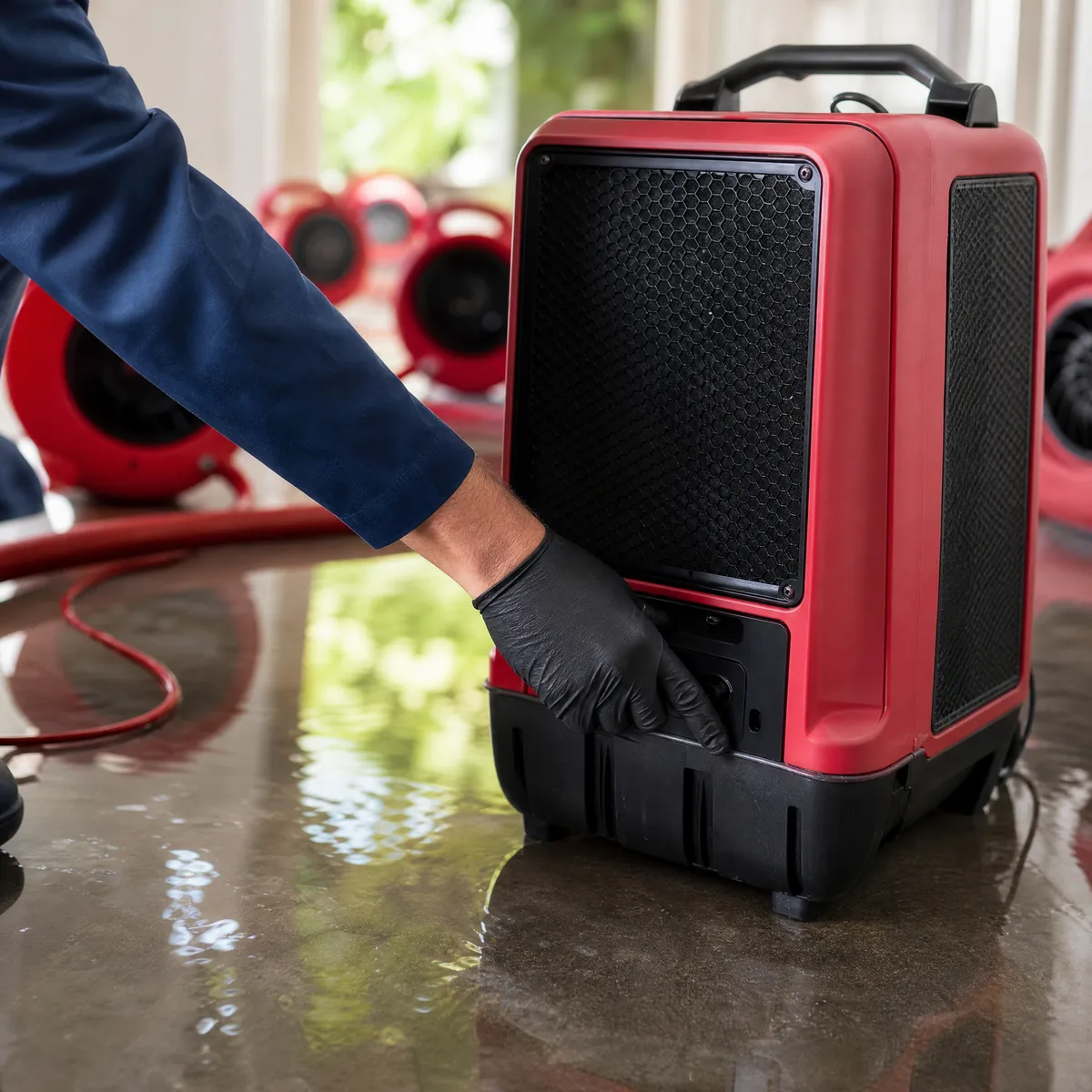
Access to wet materials can matter more than the number of machines visible in the room. Cabinets, partitions, fixtures, and storage may need to be moved by the appropriate people. Ask what work can proceed immediately and which tasks depend on a separate trade, specialist evaluation, or authorization from the owner.
Build the plan around your property type
An office may need protection for records and network equipment. A retail store needs clear separation of affected stock and customer areas. A warehouse may need work organized around inventory locations, loading, and large floor areas.
Restaurants, hotels, and medical offices introduce additional operational considerations. Tell the provider what activities occur in the affected space and which specialists or authorities may need to participate in the recovery. General building drying does not automatically resolve equipment, food, or clinical-use questions.
Plan equipment and debris routes
Drying equipment, hoses, and removed materials need a route through the property. Agree on loading access, elevator use, security procedures, and protection of unaffected areas. Do not let temporary equipment placement obstruct required exits or force staff and customers through the cleanup zone.
For Yonkers commercial properties near Downtown, Central Park Avenue, Nepperhan Avenue, or other business areas, share the precise entrance and access instructions. Mention loading windows, parking restrictions, and any documents required before a contractor enters. These operational details can affect the setup even when the water loss itself is straightforward.
Separate building work from equipment and contents decisions
A restoration contractor can evaluate the building within their scope, but machinery, electronics, refrigeration, medical devices, and specialized stock may need other qualified professionals. Do not restart water-affected equipment simply because the surrounding room has dried. Establish who will evaluate each category before it returns to use.
Document inventory or contents moved off-site and maintain a record of items recommended for disposal. The business should identify any sensitive or high-value materials that require its own staff or specialist vendors. Clear custody and authorization procedures help avoid confusion while several groups work in the same building.
Keep costs and project changes visible
Ask for an itemized scope separating emergency mitigation, drying equipment, monitoring, contents work, disposal, and reconstruction. Source repairs may also be separate. When hidden damage changes the plan, request an explanation and an updated authorization process before additional work where practical.
Retain photographs, invoices, work records, and any final drying documentation. Contact the insurer about the specific cause of loss and applicable requirements. The restoration provider documents the work; coverage, business interruption, and payment responsibilities are determined through the relevant policies and agreements.
Turn completion into a useful handoff
Before normal operations resume, clarify which areas are complete, which repairs remain, and whether any equipment or authority review is still outstanding. Share the relevant restoration records with the repair contractor and facilities team. A room-by-room handoff is more useful than a general statement that the entire building is ready.
Call (866) 552-5141 for commercial water-damage help in Yonkers. Describe the source, approximate affected area, business type, and whether the property is occupied. The provider can confirm current availability and discuss the next step for your address.