One room can become a multi-floor loss
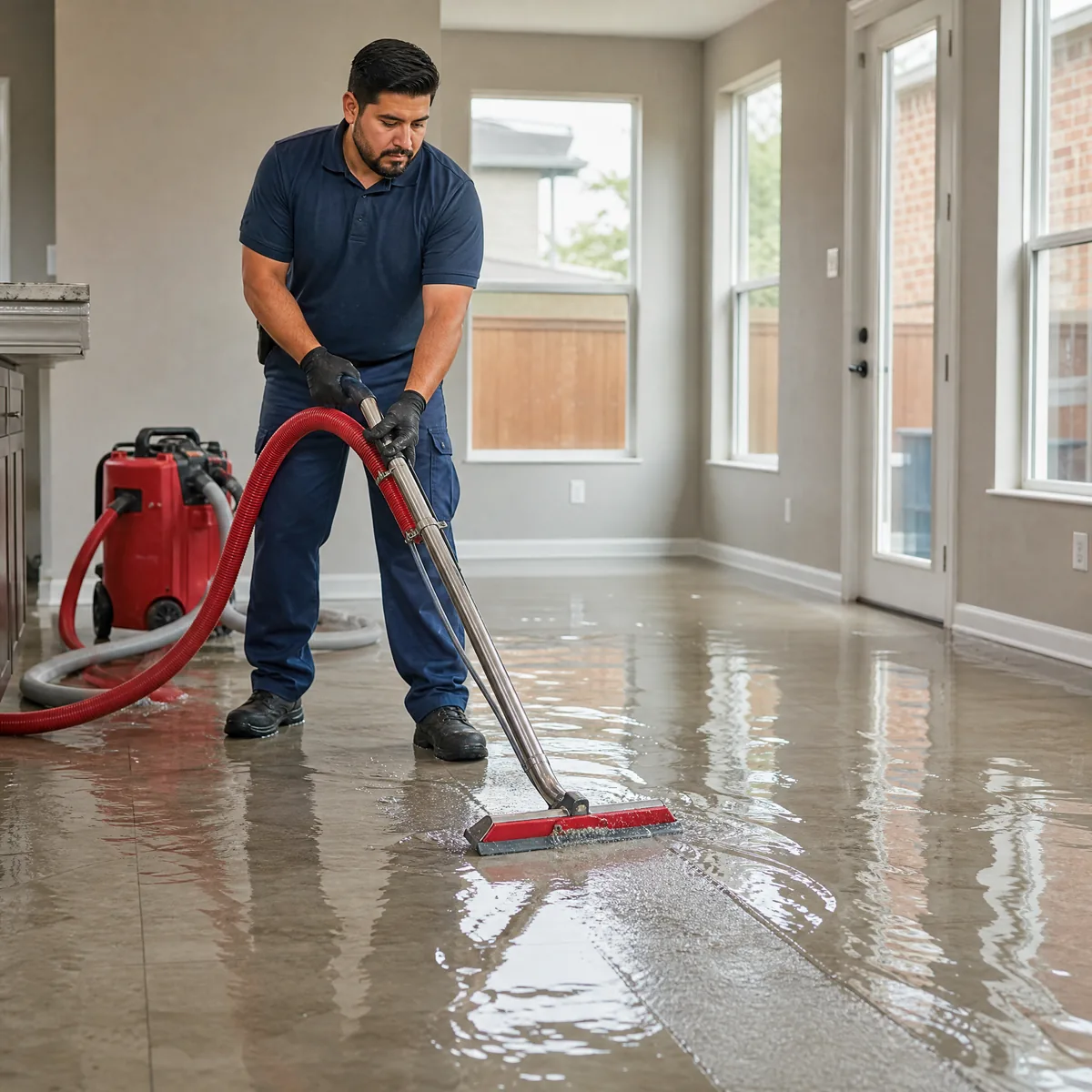
An overflowing bathroom, failed pipe, or roof leak can affect guest rooms, corridors, ceilings, and service areas. The first report may come from the room below the source. A useful response follows the water through the building while recognizing that staff may be managing guests and ongoing arrivals at the same time.
Water Damage Pros Yonkers connects lodging operators and property managers with independent restoration providers. Call with the address, affected floors, known source, and immediate access restrictions. The provider can discuss availability and establish whether the response needs several coordinated work zones.
Give staff a clear communication chain
Designate a manager who can authorize work, arrange entry, and communicate changes to the front desk, engineering, housekeeping, and ownership. Maintain a list of affected room numbers and relevant public or service areas. Update it when new findings show that water reached another part of the property.
Guest communication should come from the hotel's responsible staff. The restoration provider needs enough information to enter safely and work efficiently, but does not replace the property's decisions about room assignment, relocation, or guest support. Keeping those responsibilities distinct helps avoid conflicting information during an urgent response.
Evaluate rooms above, below, and along the water path
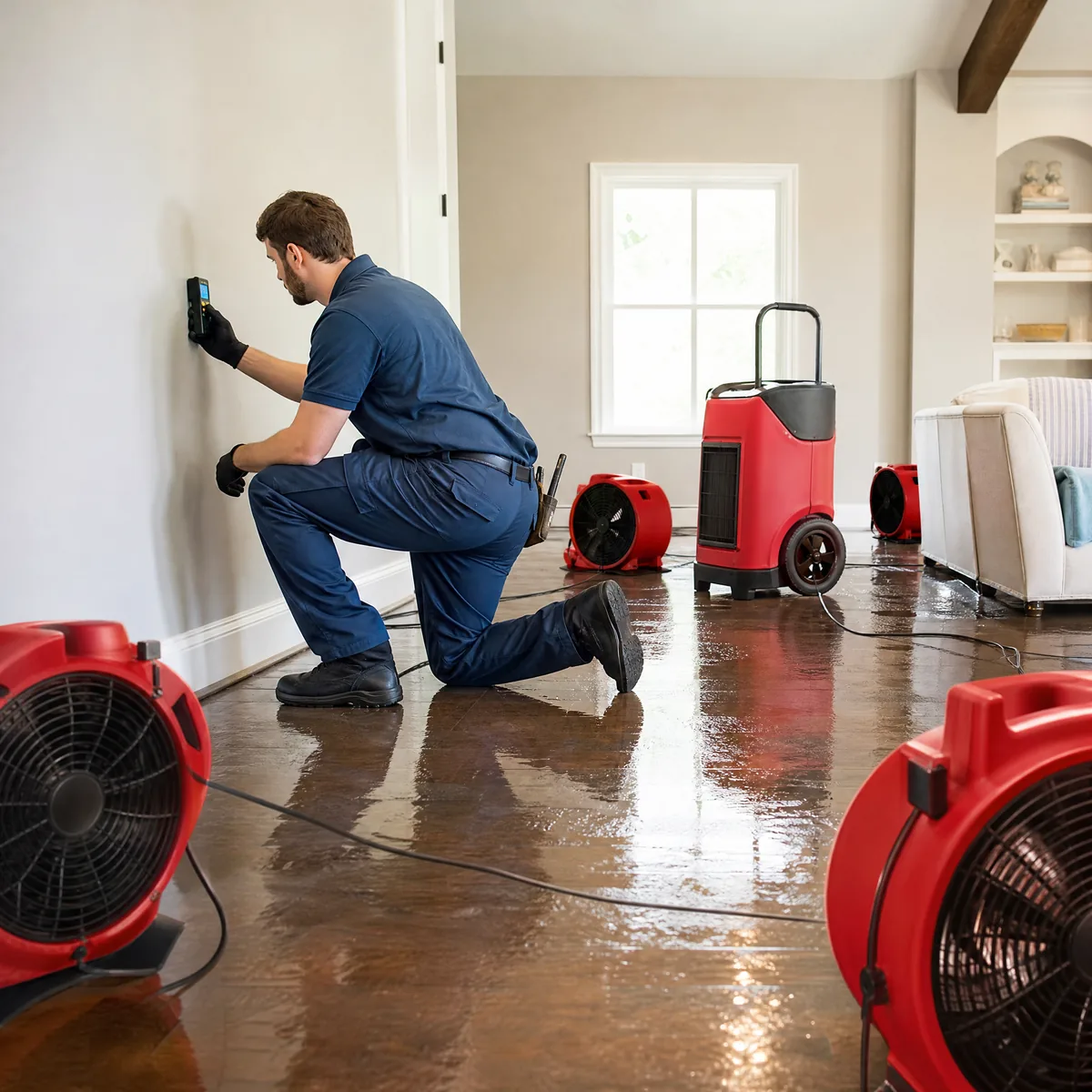
Water can travel through floor assemblies, service chases, and wall cavities before becoming visible. A wet carpet or ceiling tile marks a location to inspect, not necessarily the boundary of the loss. Access to adjoining rooms or service spaces may be needed to understand the affected materials.
Coordinate inspections so occupied and unoccupied rooms are handled appropriately. Ask the provider how moisture findings will be recorded by room or area. A room-by-room record is useful when some rooms are returned to use earlier and others remain restricted for drying or reconstruction.
Protect corridors and guest routes
Equipment movement should be planned around entrances, elevators, service corridors, and required exits. Agree on routes for machines, hoses, and removed material. The affected area should be clearly separated so guests are not directed through an active cleanup zone.
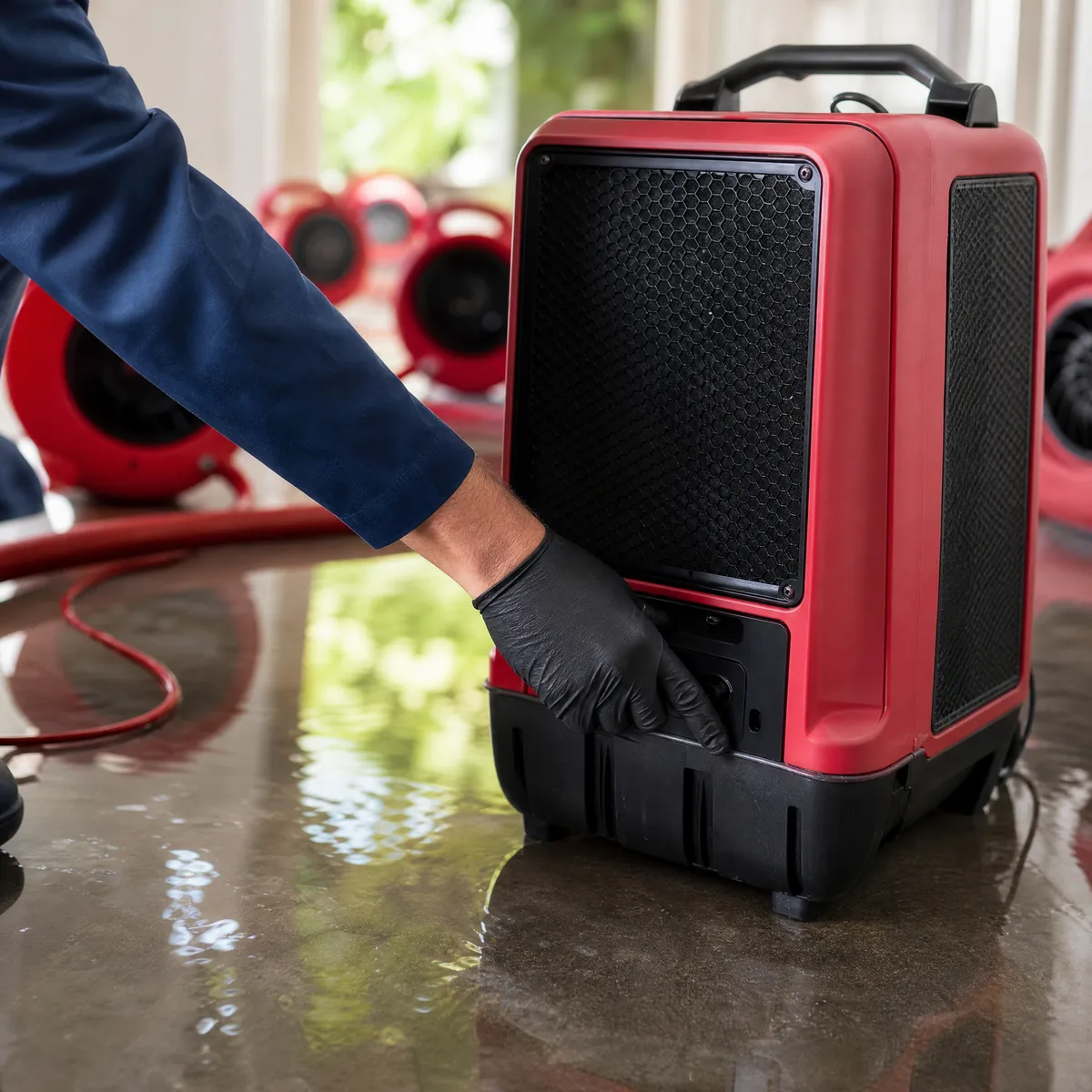
Tell the provider about quiet hours, service-elevator access, and security procedures. Drying equipment can affect noise and comfort beyond the room where it sits. Discuss these impacts without assuming that moving or switching off equipment is harmless; adjustments need to remain compatible with the work plan.
Contents and room finishes need specific decisions
Mattresses, upholstered furnishings, rugs, window coverings, and case goods may need separate evaluation from the building. The water source, material condition, and time wet influence what can be retained or requires replacement. The hotel should identify who can approve contents decisions and document items removed from each room.
Ask how the provider will handle custom finishes and fixed furnishings that block access. Emergency cleanup may not include matching wallpaper, rebuilding millwork, or replacing coordinated room furniture. Keep those later requirements visible so the room's physical drying is not confused with its readiness to return to the available inventory.
Sequence source repair, mitigation, and reconstruction
The building engineer, plumber, roofer, or other qualified trade may need to correct the source while the restoration provider addresses affected materials. Confirm whether shared systems need isolation and who is responsible for restoring them. The cleanup contractor should not be assumed to control every building-system decision.
After extraction and any necessary removal, drying may continue with periodic measurements. Ask for updates identifying which rooms remain wet and what work is planned next. Reconstruction can then be coordinated using the relevant findings rather than beginning simply because a room no longer smells damp.
Yonkers property access and scheduling
Provide the precise arrival entrance, contact number for on-site management, loading instructions, and affected floors. Mention whether the property has a service elevator or whether equipment must use stairs. These details help the provider estimate setup needs and confirm that the job fits their available resources.
During a wider storm or building incident, arrival and equipment availability may change. Request a current window and a communication plan. A clear operational briefing is more useful than relying on an unverified response-time promise when the property may require multiple crews or specialized access.
Return rooms to use with a complete status record
Before a room is released, identify completed mitigation, remaining repairs, contents decisions, and any required equipment or safety evaluation. The responsible hotel team should know what is ready and what still needs action. Retain the provider's scope, progress records, and final information by affected area.
Call (866) 552-5141 for hotel water-damage help in Yonkers. For water moving through several floors, see ceiling water damage and commercial restoration. Explain the occupied-room situation so the provider can discuss a practical next step.