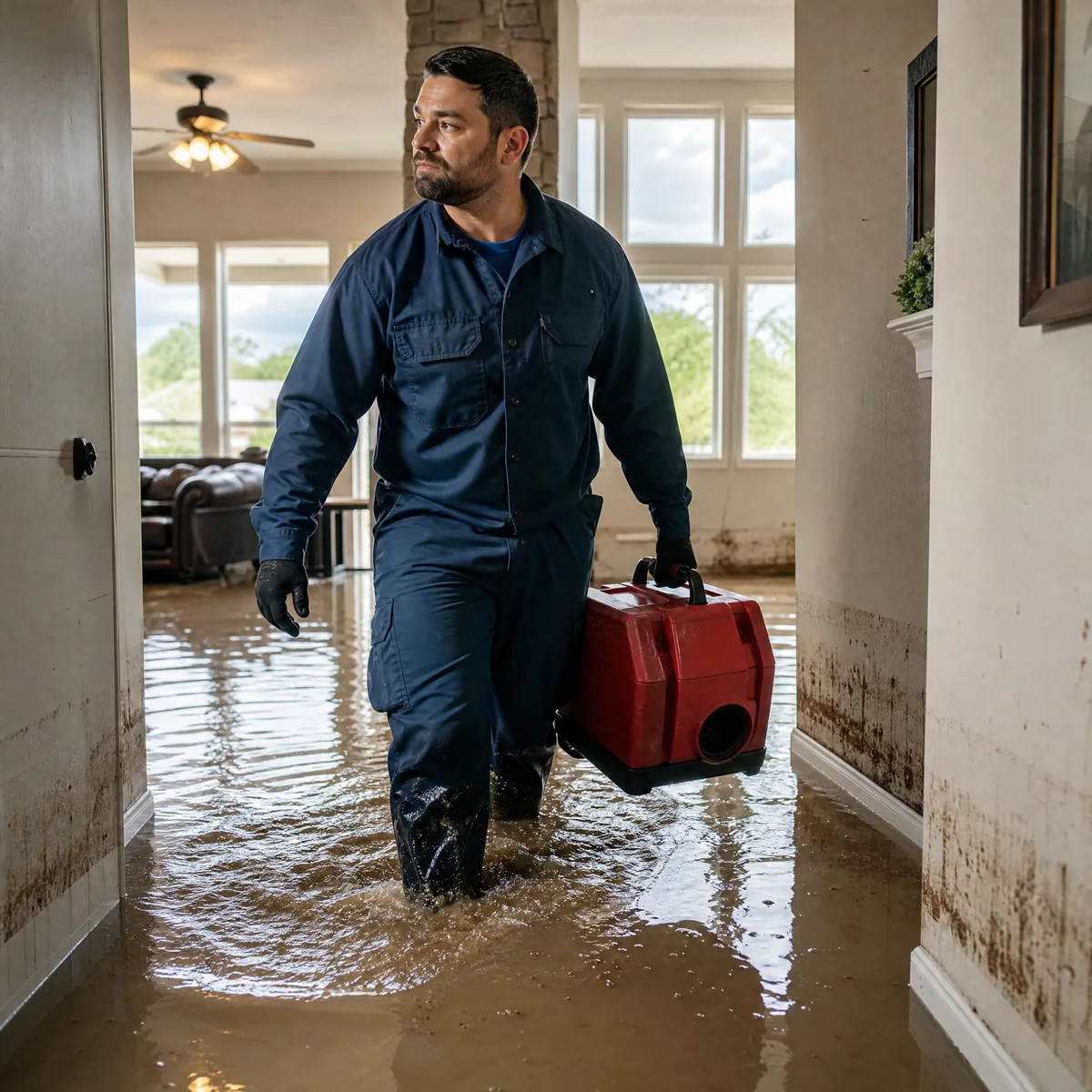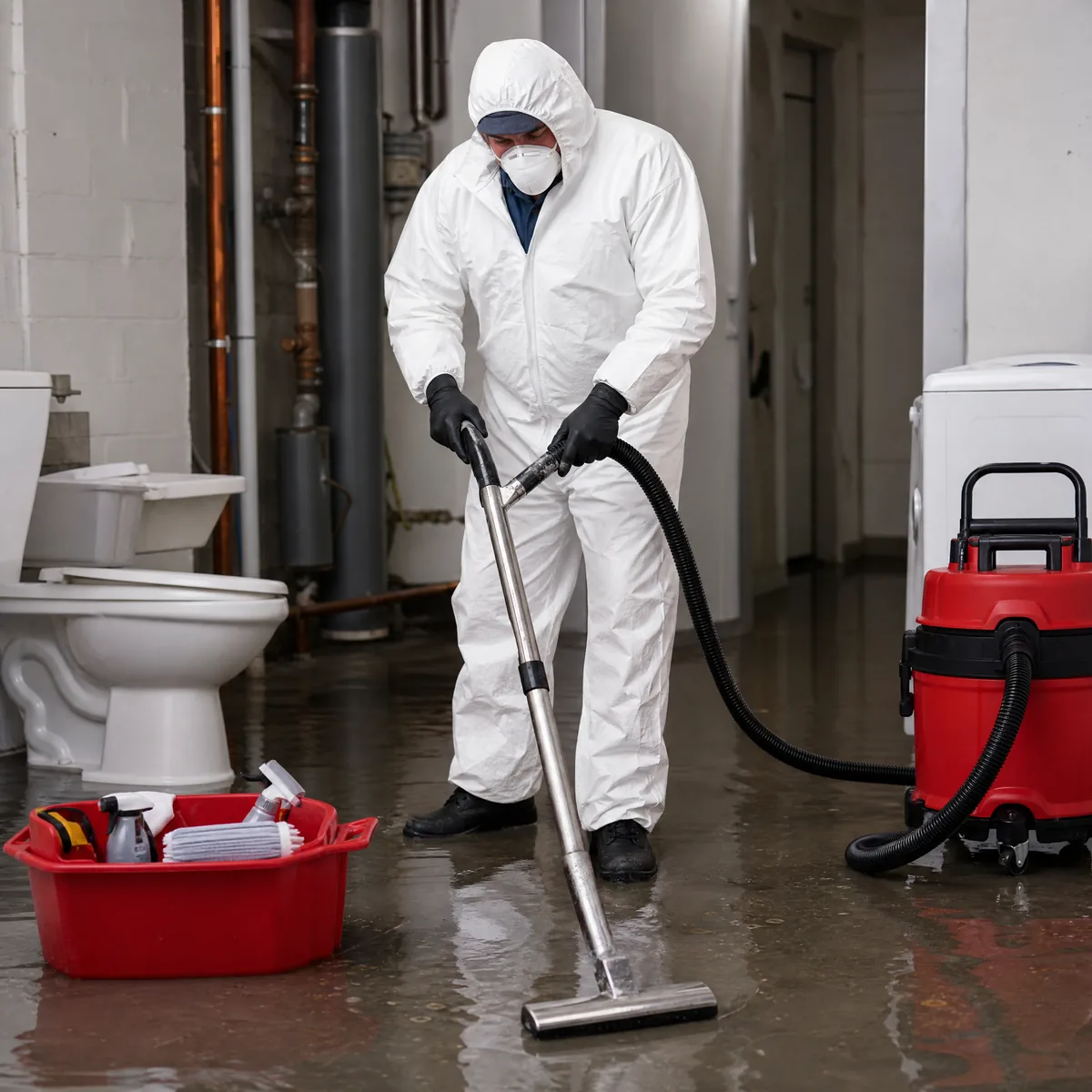
Keep the affected area separate
Sewage appearing in a basement drain, bathroom, or utility room can spread contamination well beyond the first puddle. Foot traffic, wet belongings, and improvised cleanup can carry it into rooms that were initially unaffected. Keep children and pets away, stop using the affected fixtures, and call for professional help.
Water Damage Pros Yonkers helps connect callers with independent cleanup providers. Tell the provider that sewage or a drain backup is involved, even if the water looks relatively clear. Also mention whether the backup is active, which fixtures are affected, and whether a plumber has already inspected the source.
Stopping the backup and cleaning the building are separate jobs
A plumber may be needed to locate a blockage, repair a damaged line, or address a fixture problem. That work stops or corrects the source. A restoration contractor deals with the water and contamination left in the building. Both may be necessary, and neither should be assumed to include the other's work.
Ask who is coordinating the two tasks and whether more water could enter during the cleanup. In an apartment building, notify management so use of the affected plumbing can be evaluated across the relevant units. Repeatedly running sinks or flushing toilets to "test" the problem can add water before the cause is understood.
Why a surface wipe is not enough
Contaminated water can reach flooring seams, wall bases, cabinet bottoms, carpet padding, and stored contents. Even after the standing water is removed, residue can remain on surfaces or in materials that are difficult to clean. The cleanup plan should follow the water's path and consider both direct contact and movement through the building.
Some hard surfaces may be suitable for cleaning and treatment. Some porous materials may need removal. The contractor should explain those decisions based on the contamination and material condition. Air fresheners and odor masking do not establish that affected areas have been properly cleaned, dried, or made ready for repair.
What to expect from a professional cleanup scope
The scope may include restricting access, protecting unaffected areas, removing contaminated water, evaluating contents, taking out unsuitable materials, cleaning remaining surfaces, and drying the affected structure. The exact sequence depends on the property and the source. Ask what is included and what will require a separate contractor.
Discuss how debris will be carried out, where equipment will be placed, and whether shared hallways or entrances need protection. For a business or multi-unit property, agree on a point of contact who can authorize access and receive updates. The scope should also state how completion will be evaluated before the affected space returns to use.
Basements, bathrooms, and lower-level rooms in Yonkers
A basement backup may affect utility equipment, laundry areas, storage, finished walls, and flooring at the same time. An overflow in an upstairs bathroom can create a second cleanup area in the ceiling below. The contractor needs to identify the full route rather than focus only on the room where the backup appeared.
Provide the street address and building details when calling from Ludlow, Park Hill, Getty Square, Dunwoodie, or another Yonkers neighborhood. Mention exterior basement access, narrow stairs, occupied apartments, and any restrictions on equipment placement. These details help the provider determine whether the property requires a single-room response or broader coordination.
Belongings need their own evaluation
Boxes, textiles, upholstered furniture, and items stored directly on the floor can require different handling from the building itself. Avoid carrying contaminated belongings through clean rooms without a plan. Ask the cleanup provider which contents they can evaluate and whether specialist cleaning or disposal is needed.
Keep photographs and a list of affected items when it is safe to do so. Do not assume that drying an object makes it suitable for continued use. For personal items that are difficult to replace, discuss available assessment options before deciding whether to retain them. The provider should explain the limits of any proposed cleaning method.
Costs, records, and the return to occupancy
Sewage cleanup costs can reflect contamination, the number of rooms, material removal, contents handling, access, and drying. A plumbing repair may be separate. Ask for an itemized written scope and a clear explanation of any emergency charge before authorizing work where circumstances allow.
If you are discussing an insurance claim, describe the actual backup source to your insurer and ask which documentation is needed. Retain invoices, work records, and photographs. Whether a space can remain occupied or reopen depends on site conditions and the completed work, not simply the disappearance of the odor.
Get help before contamination spreads further
Call (866) 552-5141 for sewage cleanup help in Yonkers. The provider can discuss current availability, access, and the next steps for your property. Stay away from wet electrical systems and do not enter an unsafe area to inspect the backup more closely.
For a contained bathroom incident, see toilet overflow cleanup. For water entering during a storm, see storm and flood cleanup. Describing the source correctly helps establish an appropriate cleanup plan from the start.