Drying the parts of the property you cannot see
Water can remain inside a wall or beneath a floor long after the surface feels dry. That is why a water-damage job should not end with mopping, a fresh coat of paint, or a few hours of fans. The affected materials need to be identified and their condition checked before repairs cover them again.
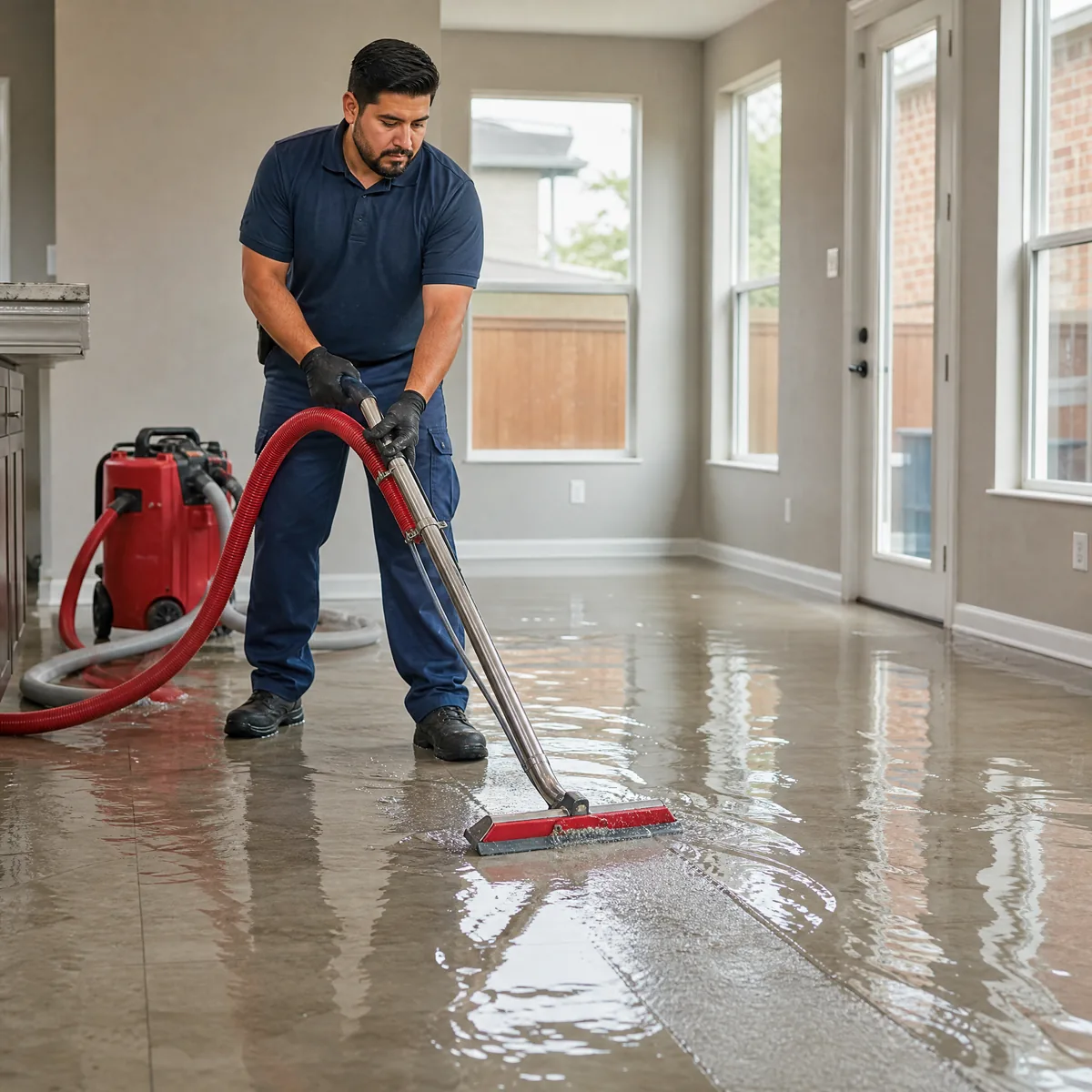
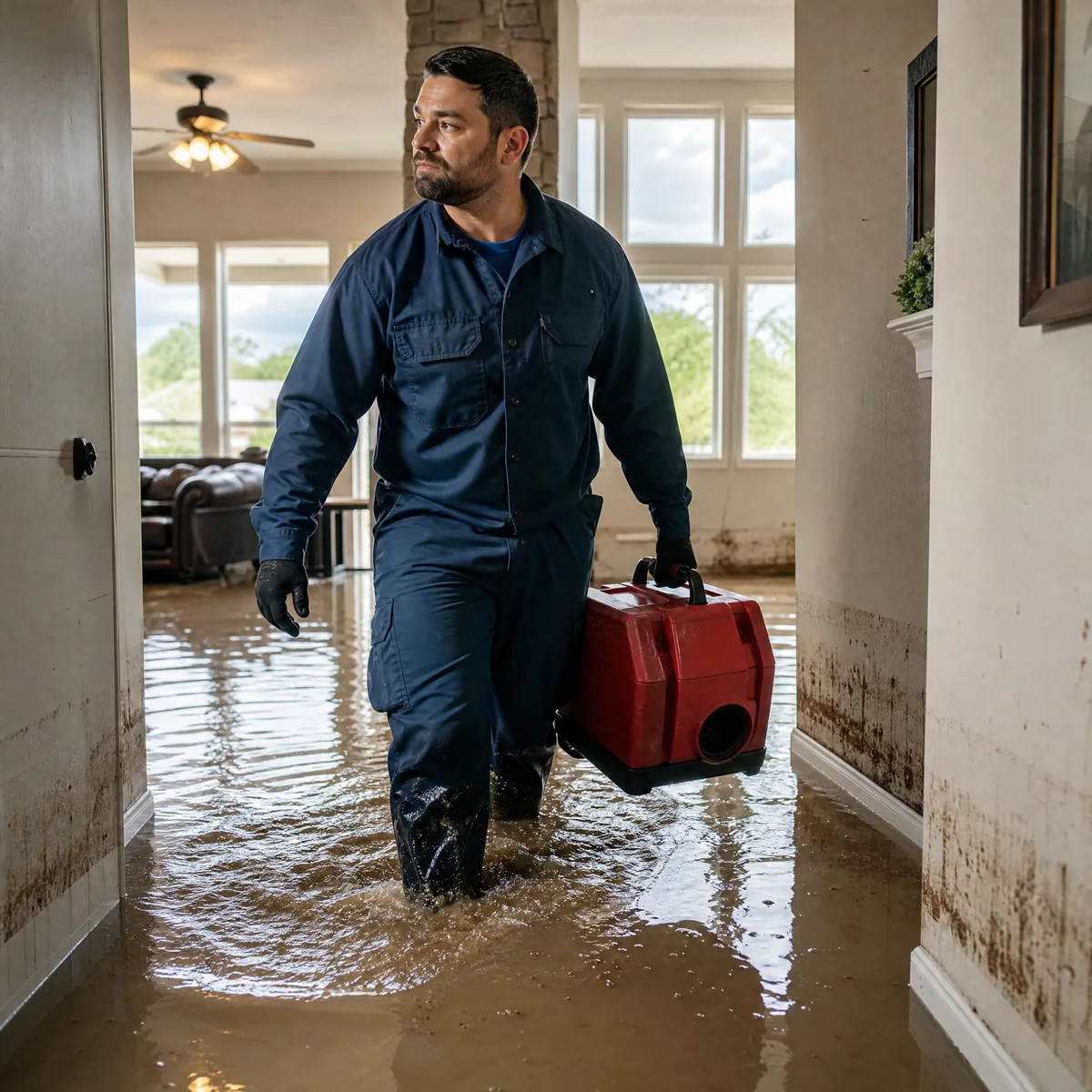
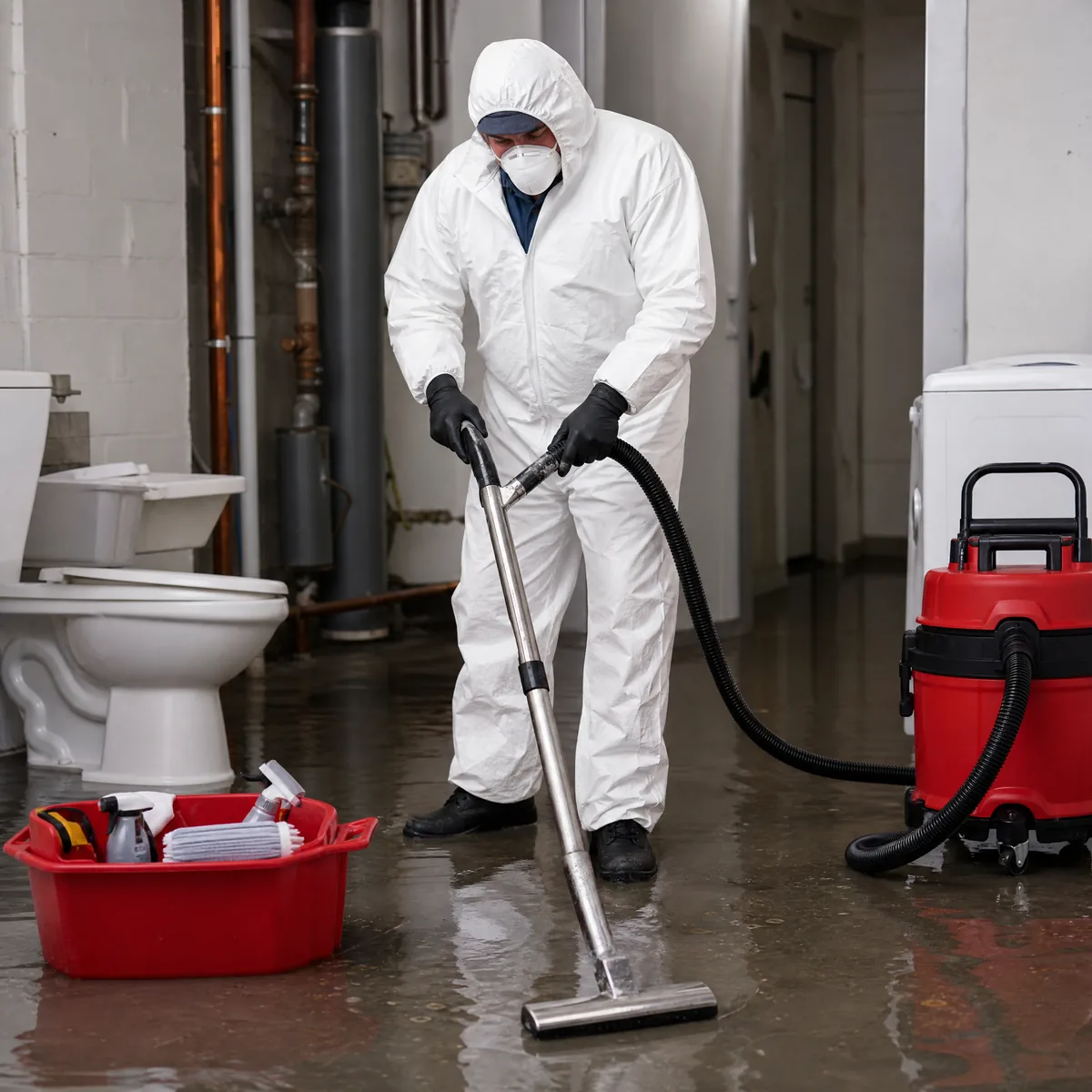
Structural drying is the controlled removal of excess moisture from building materials. It may follow a water extraction job, an appliance leak, an upstairs overflow, or a storm-related loss. Water Damage Pros Yonkers helps callers connect with independent providers who can assess the property and explain whether drying, removal, or a combination is appropriate.
Start with a moisture assessment
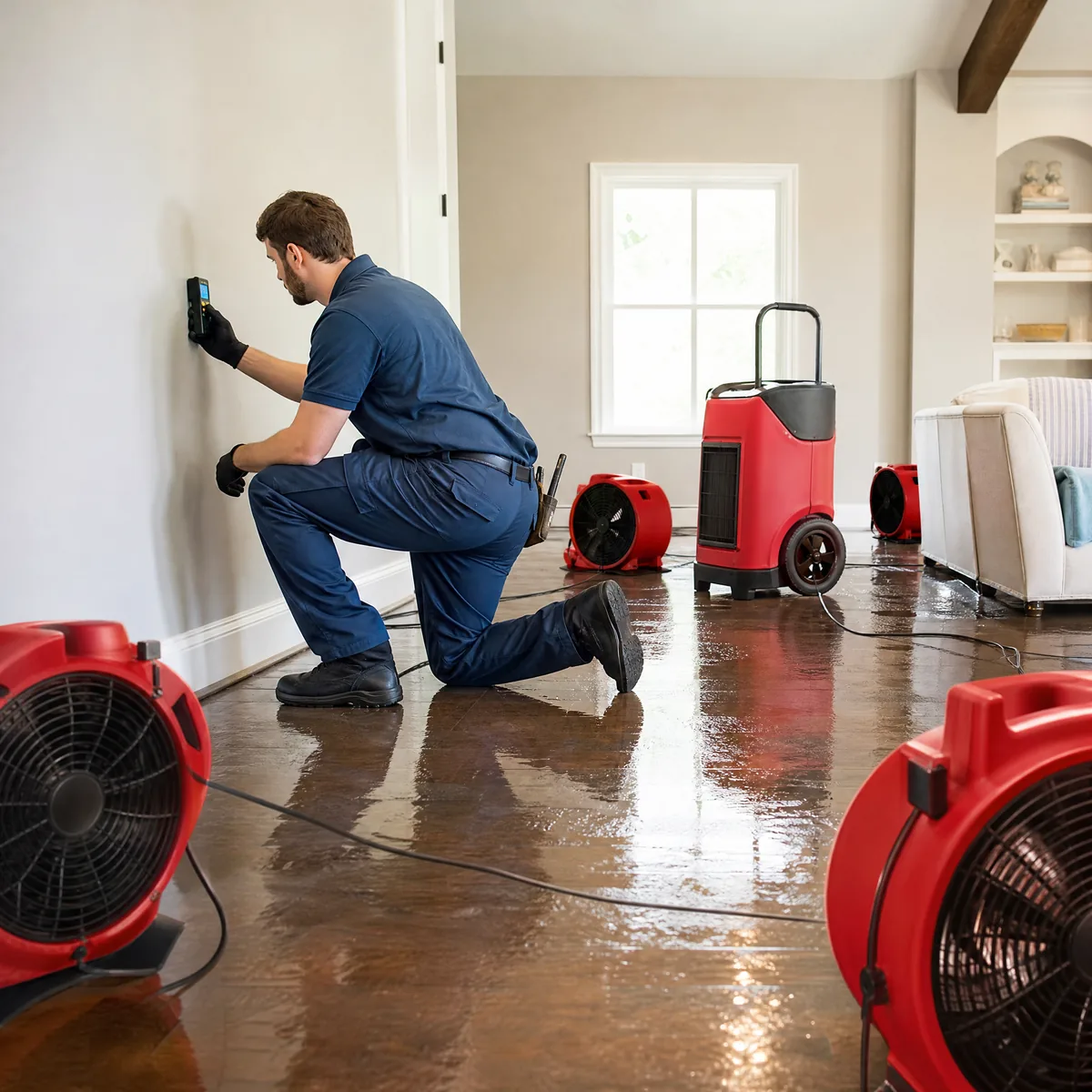
A drying plan begins with determining where the water went. The contractor may inspect the source area, adjoining rooms, the opposite side of a wall, and the space below the leak. Different meters and inspection methods can help identify wet materials and establish locations for repeat measurements.
Ask how the initial readings will be documented and what the contractor will use as a drying target. The appearance of a stain or the temperature of a floor alone is not enough to make that decision. A meaningful assessment connects the measurements to the building materials and to the conditions found at the property.
What air movers and dehumidifiers actually do
Air movement helps moisture leave suitable wet surfaces. Dehumidification removes water vapor from the air so moisture can continue moving out of the materials. The equipment needs to work as a system, with its placement and operation matched to the affected space.
More equipment does not automatically mean a better plan. Room size, material type, temperature, air leakage, and access all matter. Ask which rooms are included, how electrical circuits will be managed, and whether doors or windows should remain closed. Changing the setup or switching equipment off without discussing it can alter the drying conditions the contractor is trying to maintain.
When removal is the better option
Some materials can be dried in place. Others may be too damaged, contaminated, or difficult to reach effectively. Wet insulation, swollen composite materials, or certain contaminated floor coverings may need removal. The contractor should explain the reason for each proposed opening or demolition area.
In an older property, opening a wall or removing flooring can also require evaluation for materials that need specialist handling. Drying is not a reason to skip that assessment. Before work starts, ask who is responsible for any necessary testing, specialized removal, and the repairs that follow. Keep those responsibilities clear in the written scope.
Yonkers basements and multi-level properties
A finished basement can hide moisture behind wall finishes or below a floating floor. An upstairs leak can wet a ceiling cavity and continue into rooms underneath. In either case, the contractor needs to follow the route of the water instead of treating the first visible stain as the full boundary of the loss.
For Yonkers apartment buildings and attached properties, access may require coordination with a superintendent, owner, or managing agent. Explain which units are involved and whether common areas or shared systems are affected. In a single-family home, point out finished storage spaces, closets, and utility rooms that may be easy to overlook during the initial walkthrough.
Monitoring matters more than a fixed day count
Drying time varies with the materials, the depth of wetting, the drying environment, and the amount of access available. A contractor may give an initial estimate, but the ongoing readings should show whether the plan is working. If a material is not responding, the setup or scope may need to change.
Ask how often progress will be checked and whether you will receive the final moisture documentation. A calendar deadline should not be the only reason equipment leaves the property. Equally, equipment should not continue running without a clear explanation of what is still wet and how progress is being measured.
Living or working around the equipment
Drying equipment can be noisy and can make an affected room uncomfortable. Hoses, cables, containment, and exposed materials may restrict access. Before the setup is complete, discuss safe walkways, sleeping areas, pets, operating hours, and any equipment that must remain running overnight.
The decision to occupy a space depends on the water source, electrical and structural conditions, containment needs, and the people using the property. An unaffected room may remain usable in one loss while a different situation requires temporary relocation. Ask the contractor to explain the site-specific restrictions rather than assuming that every drying job permits normal occupancy.
Before flooring and wall repairs begin
The transition to reconstruction should be deliberate. Request a description of the areas treated, the materials removed, and the drying outcome. Repair contractors may have their own moisture requirements before installing flooring, insulation, cabinets, or finishes. Share the drying documentation and confirm those requirements before installation starts.
Call (866) 552-5141 for structural drying help in Yonkers. If the water is still present, explain that during the call so extraction can be considered first. If an odor or visible growth remains after an earlier cleanup, ask about a separate mold assessment and remediation pathway.