Follow the loss across unit boundaries
An upstairs plumbing leak may first appear as a ceiling stain in the apartment below. A hallway overflow can reach several doorways. Water can pass through concealed spaces before residents understand where it started. The response needs to consider the building as well as the individual room where someone noticed the damage.
Water Damage Pros Yonkers connects callers with independent restoration providers. Explain whether you are a resident, owner, superintendent, or managing agent, and identify the units known to be affected. The provider can discuss availability and the access needed for an initial assessment.
Notify the building contact early
The superintendent, property manager, board representative, or owner may control access to common areas, mechanical rooms, and neighboring units. Notify the appropriate contact promptly. If the source is shared plumbing, a building-system issue, or a roof leak, their involvement can be essential to stopping additional damage.
Residents should describe what they can see without opening walls or entering another unit without authorization. A clear record of the discovery time, affected rooms, and observed changes is useful. Where there is immediate electrical or structural danger, leave the affected space and contact emergency services or the relevant utility as appropriate.
Establish who can approve each part of the work
Building components, unit finishes, and personal belongings may have different responsible parties. Before work expands beyond urgent measures, clarify who can authorize access, demolition, drying equipment, and later repairs. The restoration contractor should receive a designated contact for decisions and updates.
This coordination is especially helpful in condos and co-ops where private and common areas meet. The site and contractor do not determine legal responsibility or policy coverage. Keep the work scope, authorizations, and records clear so owners, residents, management, and insurers can address their respective responsibilities with accurate information.
Inspect the spaces above, below, and beside the leak
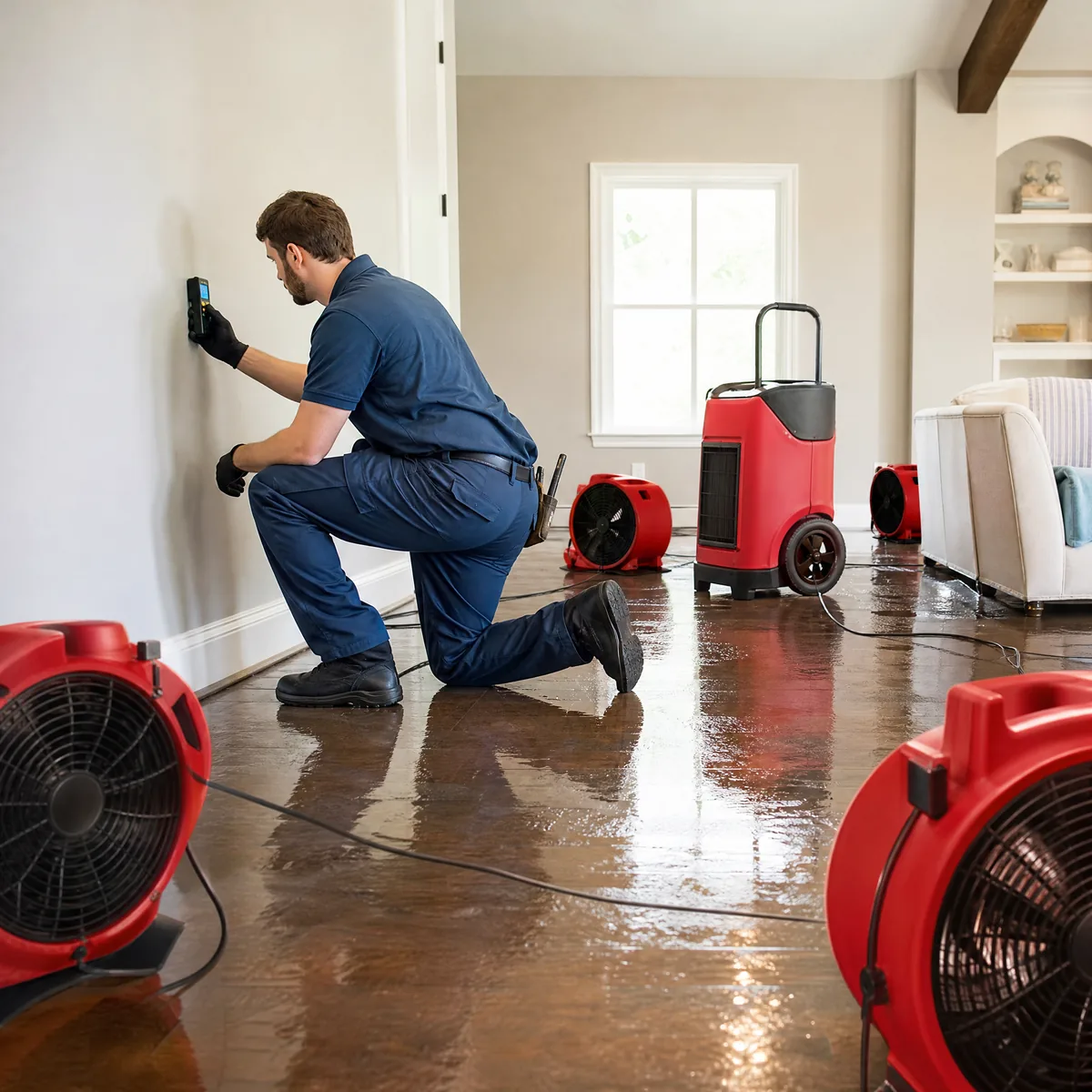
The source unit may not have the largest visible damage. Water can travel down to a ceiling cavity, spread below flooring, or emerge along a shared wall. An assessment may require permission to inspect adjoining spaces and common routes where materials could remain wet.
Ask the provider how affected boundaries will be identified and documented. If a resident is unavailable, management may need to arrange another visit rather than assume the unit is unaffected. Sharing relevant findings across the work team helps prevent a repaired room from concealing moisture that continues through the adjoining assembly.
Plan equipment movement through an occupied building
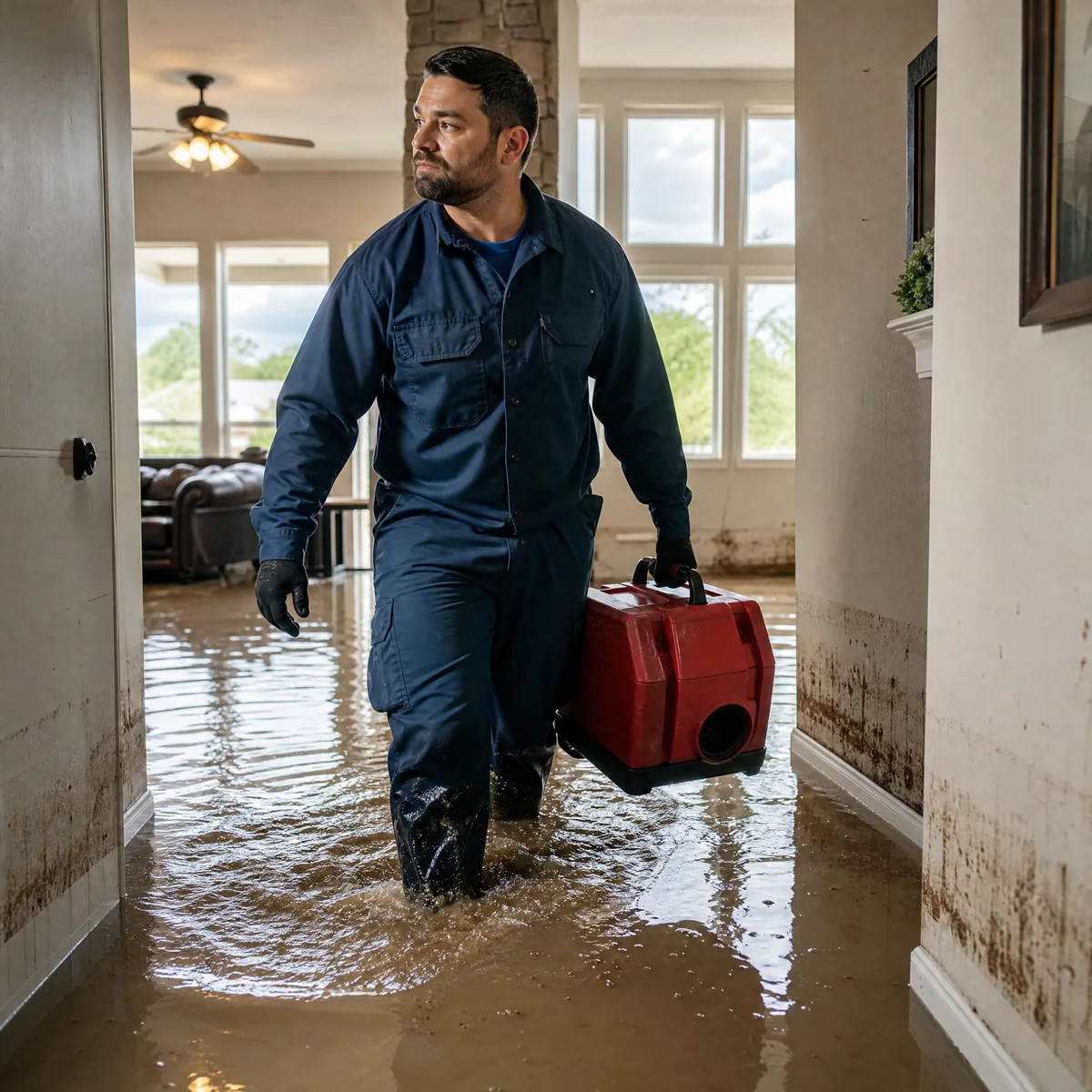
Stairs, elevators, vestibules, hallways, and parking can all affect access. Tell the provider about service-elevator scheduling, loading restrictions, building quiet hours, and required proof of insurance. Agree on how equipment and removed materials will move without blocking exits or disrupting unaffected residents unnecessarily.
For Yonkers buildings around Getty Square, Ludlow, the waterfront, and other residential neighborhoods, the exact address and entrance instructions are useful starting details. A provider should confirm an arrival window based on the current job and access conditions. Proximity alone does not establish that a crew is available immediately.
Separate the cleanup area from daily living
The work may involve equipment, exposed materials, or restricted rooms. Residents need to know which spaces remain usable, whether utilities will be interrupted, and who to contact about a change. A written daily update can be valuable when people are away from the building during work hours.
Occupancy depends on the source, extent, hazards, and work plan. Do not assume that every affected apartment can remain occupied throughout the job. If temporary relocation or room restrictions are recommended, discuss them with the appropriate parties and ask what needs to happen before normal use can resume.
Drying and reconstruction need a coordinated handoff
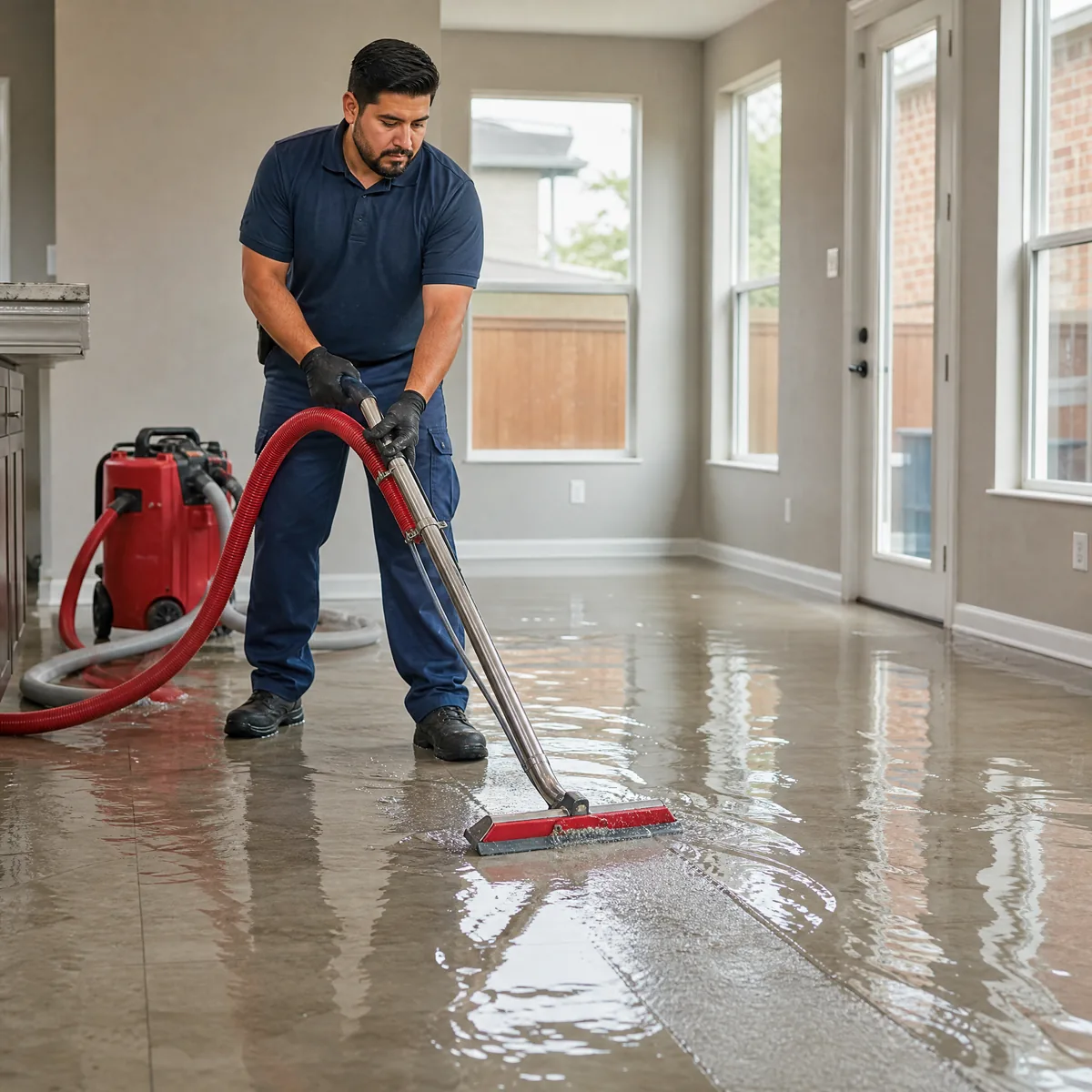
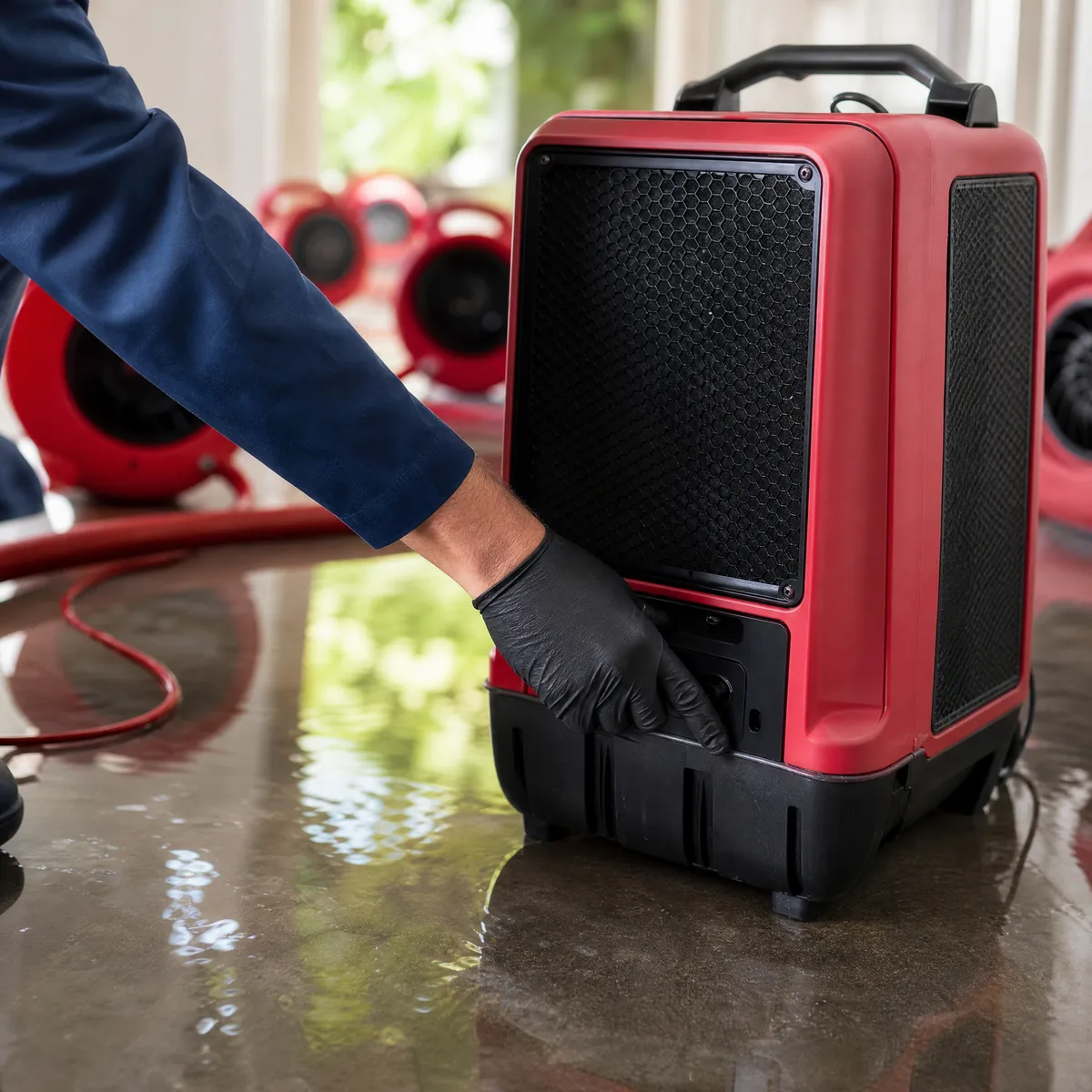
The mitigation scope may include extraction, cleaning, material removal, and monitored drying. Rebuilding ceilings, matching paint, replacing floor sections, and reinstalling fixtures can require separate trades. Ask for a clear distinction between what the emergency provider completes and what remains afterward.
Share the relevant moisture records, removed-material information, and source-repair findings with the repair contractor. For losses spanning units, confirm that each affected area has been addressed before closing finishes. A completion decision for one apartment does not automatically settle the condition of the ceiling or wall shared with another.
Keep communication practical and specific
Maintain a contact list with the building representative, restoration provider, source-repair professional, and the people authorizing work. Keep photographs, estimates, schedules, and change explanations together. Updates should identify the unit and room, the work completed, and the next action instead of relying on general statements about the whole building.
Call (866) 552-5141 for apartment, condo, or co-op water-damage help in Yonkers. Mention whether the source is an upstairs ceiling leak, a pipe failure, or a sewer backup. The provider can discuss the appropriate response and confirm service availability for your address.