Stop the spread, then follow the water
A pipe failure can release water behind a wall, above a ceiling, or directly across the floor. Turning off the supply may stop the flow, but it does not remove water already absorbed into flooring, insulation, and wall materials. Even a relatively short leak can require more than cleaning the room where it first appeared.
Call Water Damage Pros Yonkers to discuss a burst-pipe loss and seek an independent restoration provider. Give the address, the approximate time the leak started, and whether the source has been stopped. If a plumber is already involved, explain what they found and which areas they needed to open.
Pipe repair and property restoration work together
A qualified plumber addresses the failed pipe, valve, fitting, or supply line. A restoration provider evaluates the resulting water damage and the work needed to remove water and dry or replace affected materials. When both jobs are needed, sequencing and communication matter.
Ask who is responsible for reopening the water supply, confirming the repair, and communicating with the drying crew. A restoration contractor should not be assumed to provide plumbing simply because the damage began with a pipe. Likewise, a repaired pipe does not prove that the surrounding wall or the floor below is ready to close up.
Frozen pipes can hide damage until temperatures rise
During freezing weather, a vulnerable pipe may be affected in an exterior wall, unheated space, or poorly protected section of the building. Water can become noticeable during thawing or when the supply is restored. The extent of the resulting loss depends on the location, flow, and how long the leak continues.
If a pipe is frozen or suspected of failing, seek plumbing help instead of using an open flame or improvised heating method. For a Yonkers property left vacant or with a heating interruption, tell the plumber and restoration provider how long the building was unattended. That history helps establish where additional inspection may be needed.
The wet area may be larger than the visible stain
Water released above a room can follow framing, emerge near a light fixture, or travel into the level below. A leak behind a kitchen cabinet may soak its base before spreading across the floor. The inspection should consider nearby spaces and the construction around the failed line.
Point out ceiling discoloration, lifting floor edges, damp trim, and any new odor, even if those signs are away from the original break. The contractor can decide which areas need measurements or access. This is especially relevant in apartments and multi-unit buildings, where one source can affect several occupants.
What a burst-pipe cleanup plan can include
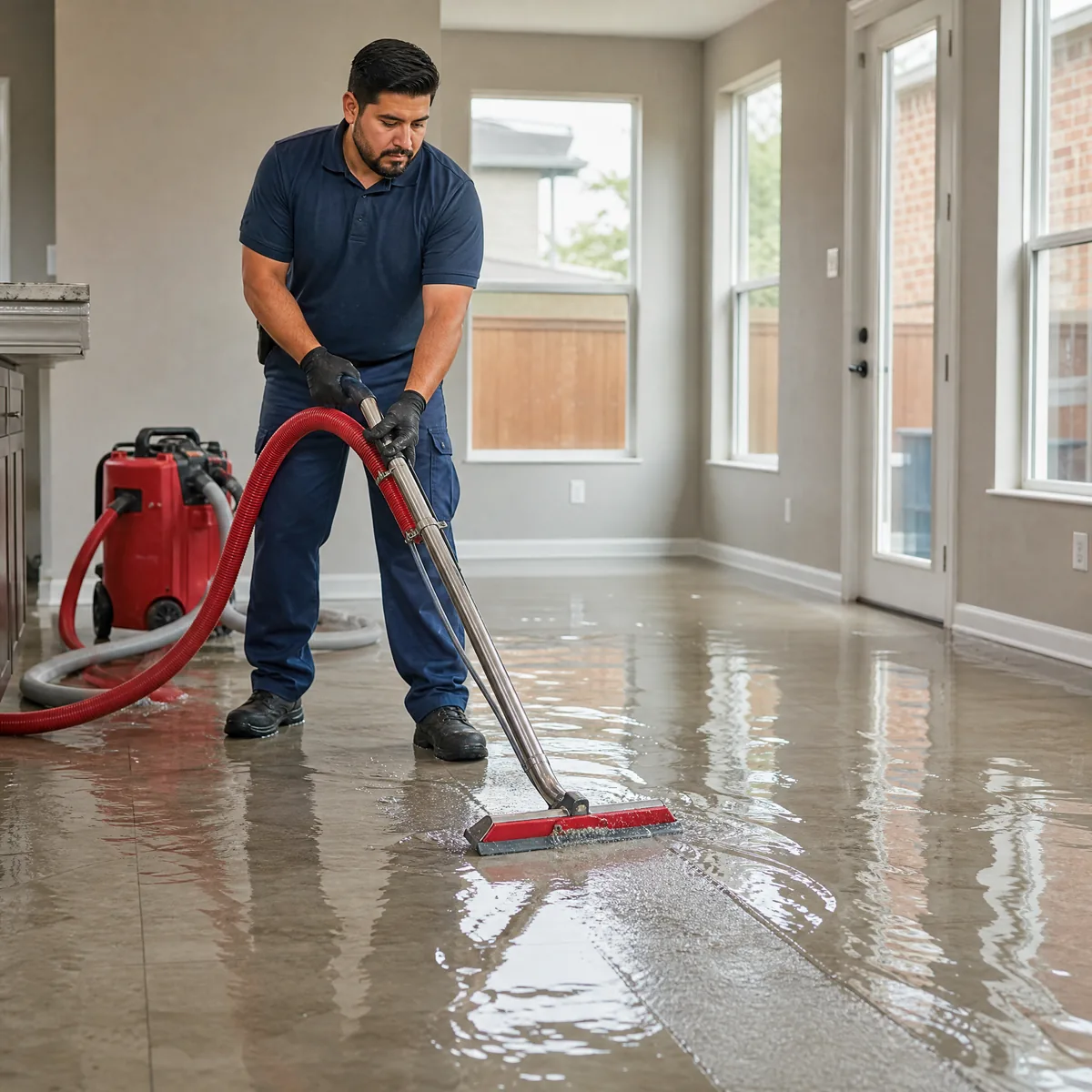
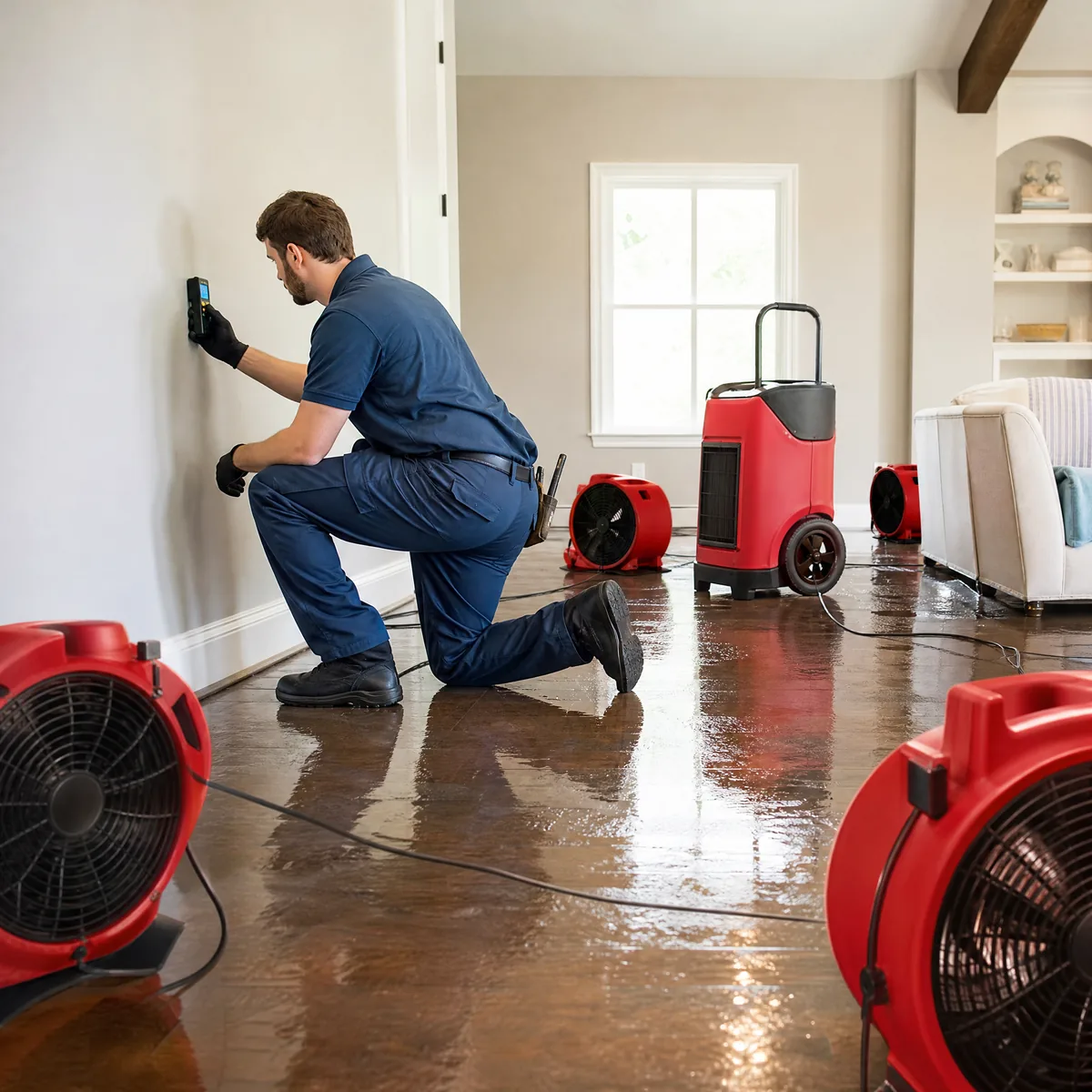
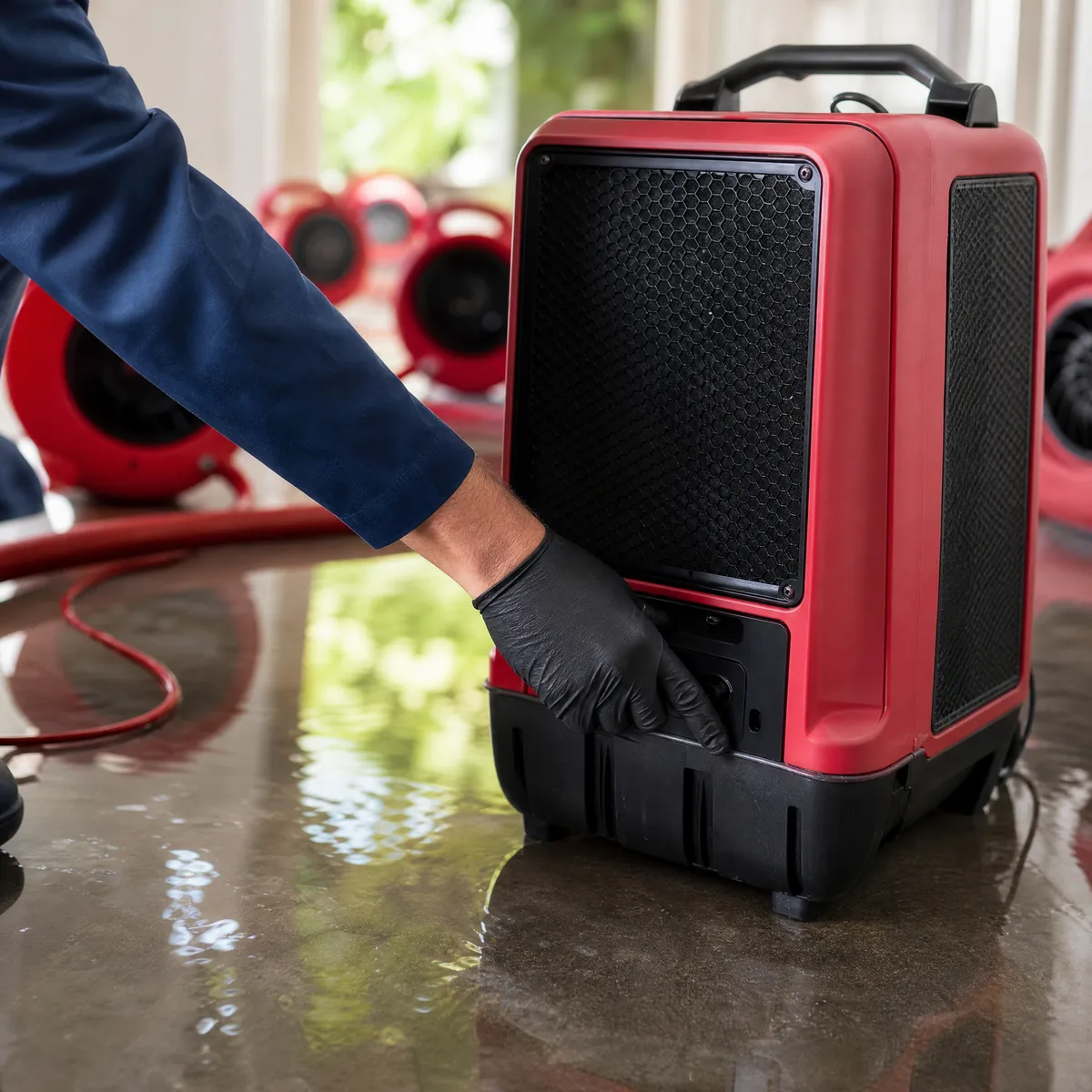
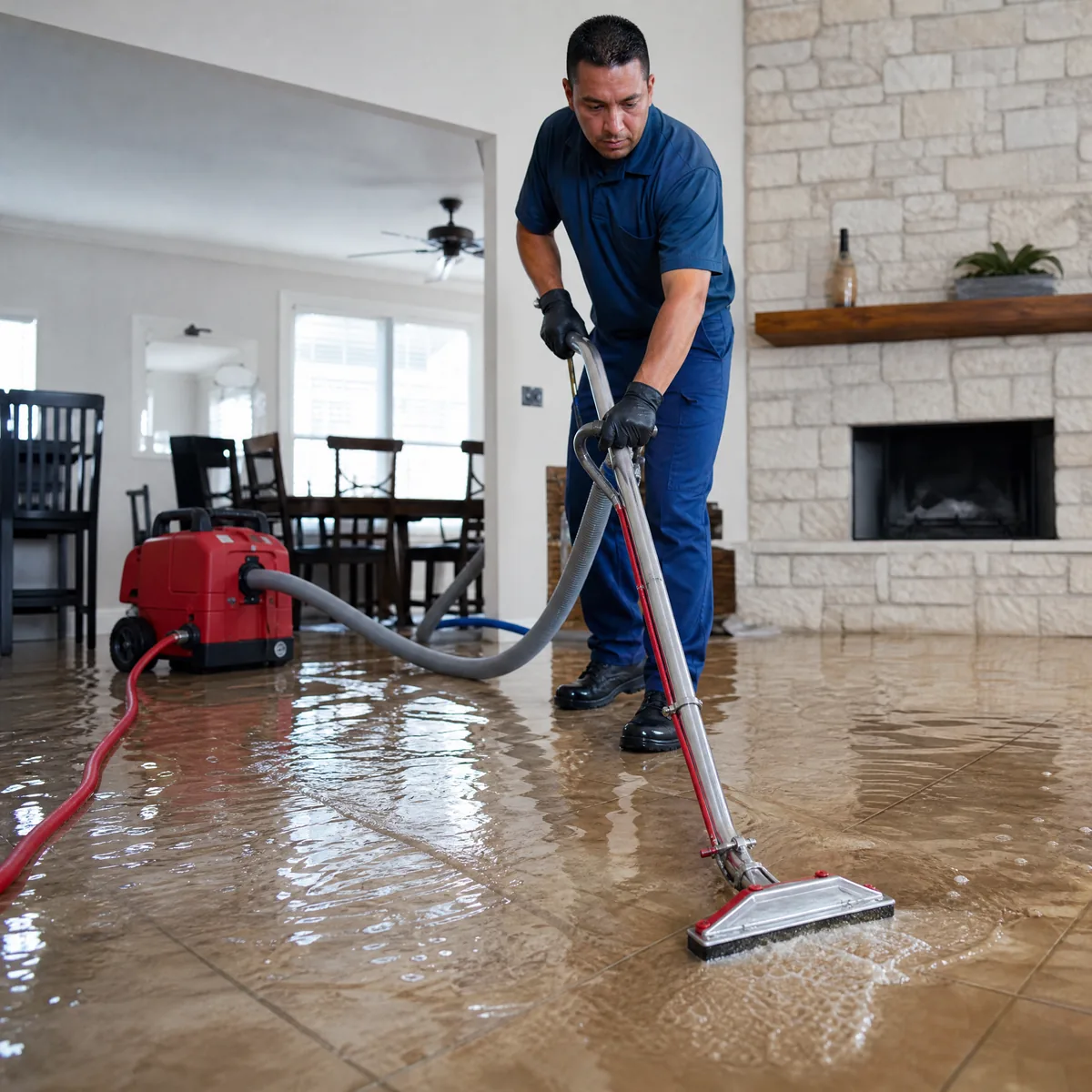
Once safe access and source control are established, the crew may extract water, move contents, evaluate floor coverings, and document affected rooms. Unsalvageable materials may need removal to reach wet areas. Remaining materials can then be evaluated for an appropriate structural drying setup.
Ask for a distinction between emergency mitigation and finished repairs. Drywall patching, painting, cabinet replacement, flooring installation, and plumbing may be separate line items or separate contracts. Knowing those boundaries early helps you compare estimates and coordinate the people who will return the room to use.
Protect belongings without entering a hazard
Stay out of standing water around outlets, electrical equipment, and utility systems. Do not stand beneath a ceiling that is bulging or shedding material. If the shutoff is accessible from a dry, safe position and you know how to operate it, shutting the supply may reduce additional damage; otherwise, ask for professional assistance.
Move small belongings from a safe, dry part of the affected room if practical. Leave heavy furniture, wet electronics, and damaged materials for evaluation. Record the discovery time and take photographs from a safe location. Those simple details help establish the sequence without requiring you to investigate concealed areas yourself.
Coordination for Yonkers owners and building managers
In a house, the owner may coordinate the plumber, restoration provider, and insurer directly. In a rental, condo, or co-op, the responsible building contact may need to arrange access to the unit above, below, or next door. Sharing the initial inspection findings can prevent duplicated work and missed wet areas.
Provide unit numbers, superintendent contact details, and restrictions on parking or elevator use. For a business, identify the person authorized to approve emergency work. The contractor can then discuss a practical arrival window and access plan for the address instead of relying on a generic citywide promise.
What to keep after the emergency visit
Retain the plumbing repair record, photographs, written cleanup scope, invoices, and any moisture documentation. If additional damage is discovered after an opening is made, ask the contractor to explain the change before the scope expands where practicable. A clear record also helps the repair contractor understand what was removed and why.
Call (866) 552-5141 for burst-pipe cleanup help in Yonkers. Explain whether you need immediate water extraction or an assessment of materials left wet after an earlier leak. The provider can confirm current availability and the next step for your property.