Protect the sales floor and the stock behind it
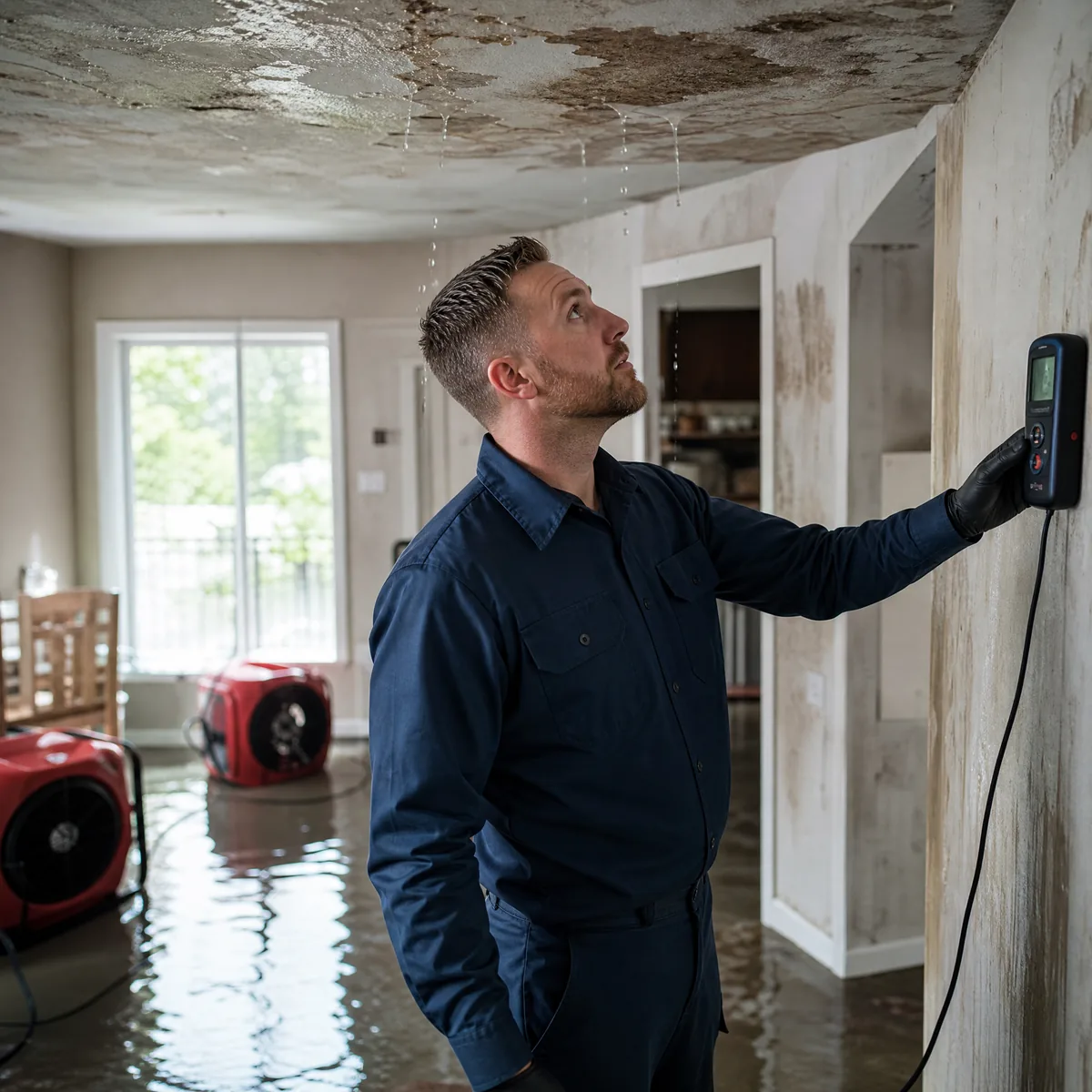
A retail water loss can affect customer areas, stockrooms, fitting rooms, displays, and checkout equipment. A leak above the ceiling may drip into one display while water spreads through the ceiling assembly. A flooded stockroom may damage merchandise before the sales floor shows any sign of trouble.
Water Damage Pros Yonkers connects retailers and commercial property managers with independent restoration providers. Explain the type of store, the source if known, and whether the space is occupied. The provider can discuss availability and what needs to be evaluated before cleaning and drying begin.
Keep customers out of the affected route
Wet flooring, unstable ceiling material, and water near lighting or checkout equipment can affect safe access. Restrict the relevant area and contact the appropriate qualified professionals for electrical or structural concerns. Do not guide customers through a wet or active cleanup area to maintain a normal entrance.
If part of the store may remain usable, agree on a clear separation and access plan. Entrances, exits, accessibility, and essential utilities still matter. The decision to open should reflect the actual property condition and any applicable requirements rather than the appearance of a single dry aisle.
Document merchandise before moving it
Your staff should identify the displays, shelves, cartons, and stock locations reached by water. Photograph affected merchandise where safe and keep it separate from unaffected stock. Assign a person to approve movement, specialist evaluation, and disposal so the cleanup team is not left making business decisions about saleable goods.
Building drying does not determine whether merchandise remains fit for sale. Product type, packaging, contamination, and manufacturer requirements may affect that decision. Retain stock records and any specialist findings. If the merchandise must be moved off-site, maintain an inventory of what left and where it is being held.
Fixtures and flooring can conceal moisture
Display bases, shelving, cabinets, and floor coverings may hide wet surfaces. Water can travel beneath a fixture without leaving an obvious mark on the visible face. The contractor may need access around these components to establish how far the loss extends and what materials can be retained.
Discuss who will move fixtures and whether disassembly requires a specialist or your own staff. A restoration estimate may not include custom display rebuilding, signage, or reinstallation. Clarifying those tasks before the setup begins helps avoid a dry room that remains unusable because fixtures cannot yet return.
Plan mitigation around the store's practical needs
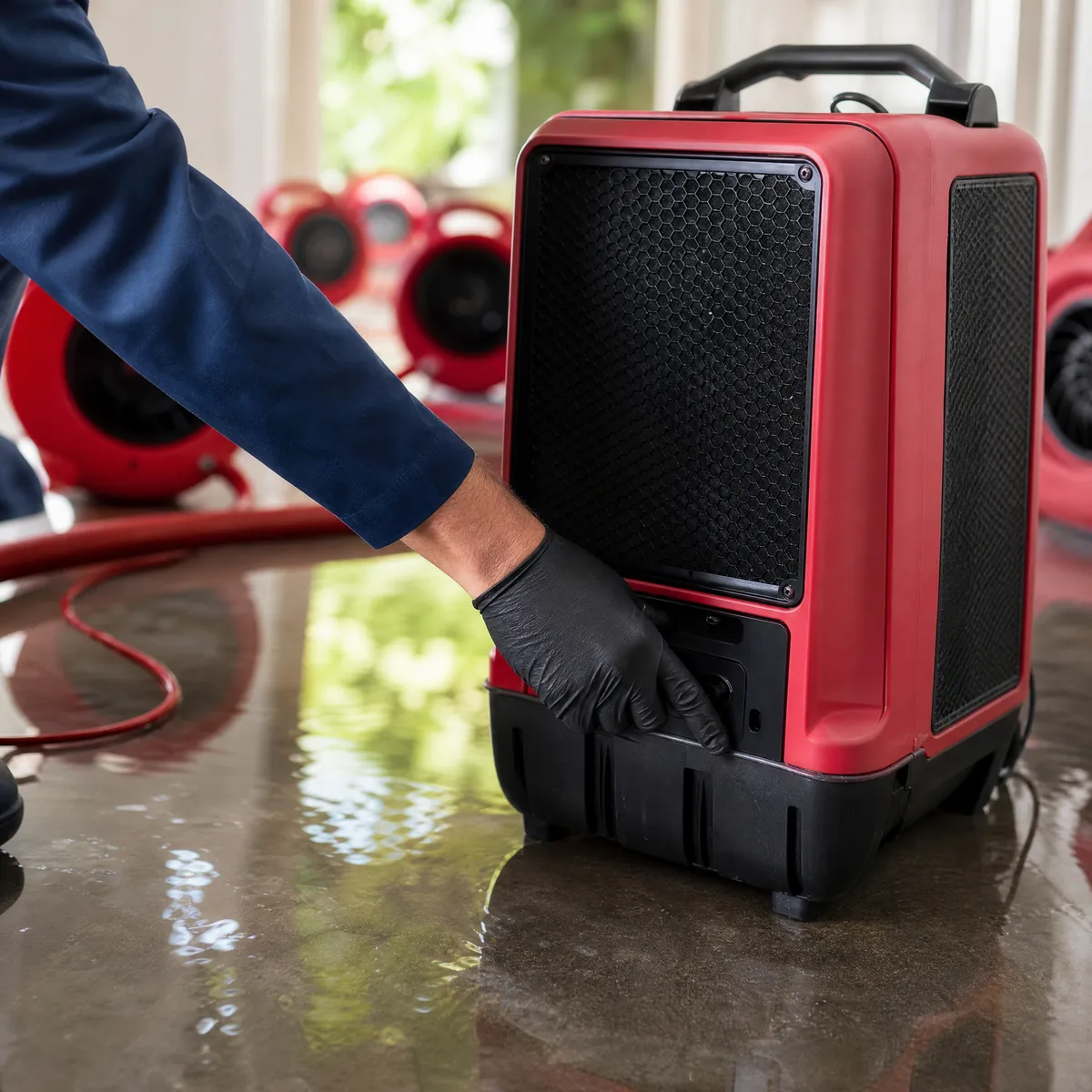
The cleanup may involve water extraction, cleaning, removal of unsuitable materials, and monitored drying. The provider should explain equipment locations, noise, access restrictions, and how work will affect neighboring units or shared areas. Confirm monitoring access if the store is normally locked outside business hours.
Staged work can sometimes reduce disruption, but it should not compromise the required scope. The contractor needs enough access to treat the affected materials. Discuss the operating priorities honestly so a realistic schedule can be developed instead of assuming that moving a few machines behind a display solves the interruption.
Coordinate with the landlord or shopping-center manager
Shared roofs, plumbing, loading areas, and common corridors may fall under building management. Notify the appropriate contact promptly, particularly if another tenant or unit may be involved. Establish who can approve work to the building and who handles tenant improvements and merchandise.
For a Yonkers storefront or larger retail unit, provide the street address, suite, entrance, loading instructions, and any required contractor paperwork. If the space is near a busy commercial corridor, explain delivery and parking limits. The access plan should fit the actual location, not simply the name of the shopping area.
Keep cleanup and reopening expenses distinguishable
Emergency mitigation, floor replacement, fixture repair, electrical evaluation, stock losses, and interruption can involve different providers and records. Request a written scope for the restoration work and an explanation of any changes after concealed areas are inspected.
Keep invoices, photographs, affected-stock lists, and the contractor's drying records together. Ask your insurer about the actual cause and policy requirements. The restoration contractor can document the physical work, while stock valuation and broader business questions need to be addressed through the relevant parties.
Reopen with the remaining tasks accounted for
Before customers return, identify which areas are complete, which repairs or equipment checks remain, and whether merchandise has been cleared for use by the appropriate decision-makers. Share restoration findings with the floor installer, fixture contractor, and building manager so each stage uses the same information.
Call (866) 552-5141 for retail water-damage help in Yonkers. For the broader process, see commercial restoration. If contaminated water entered through a drain, explain that during the call and review sewage cleanup.